


Why Blended Workforce Models Work: The Role of International Recruitment
July 1, 2026
Blended Workforce Models are Essential for Stability and Cost Control
No single source of talent, whether new graduates, domestic hires, or travelers, can solve the workforce crisis on its own. Sustainable staffing requires a blended workforce model that intentionally combines domestic pipelines, flexible staffing, and international direct hire.
For executives, the opportunity is to move beyond reactive, vacancy-driven staffing decisions and toward a more deliberate approach. One that treats workforce planning as a portfolio, balancing cost, quality, and risk over time.
Why Single-Channel Workforce Strategies Fall Short
Relying on any one staffing approach creates risk:
- Overreliance on travelers can drive unsustainable labor costs and create instability within core teams.
- Domestic hiring alone is constrained by limited graduate output and high early-career turnover.
- Short-term hiring cycles lock organizations in a constant state of reaction, or “firefighting” mode, making it difficult to build predictable pipelines.
A blended model helps smooth these fluctuations and create a more stable foundation. International clinicians play an important role in that balance. Many arrive with significant experience, complementing new graduates and helping relieve pressure on existing teams.
Where International Direct Hire Fits in a Blended Workforce Model
International direct hire brings distinct strengths within a blended workforce strategy:
- Provides experienced clinicians who can step into core roles, not just temporary assignments.
- Supports long-term retention with clinicians joining as permanent team members and building roots within the organization.
- Reduces overdependence on premium labor, helping organizations manage total labor costs more predictably.
Many organizations now treat international direct hire as a strategic portion of overall hiring, often accounting for 10–25% of annual clinical hires, depending on market dynamics and workforce needs. Over time, this approach helps build a steady base of experienced, committed clinicians that strengthens the entire workforce.

How to Operationalize a Blended Workforce Strategy
Building a blended model requires deliberate action at the executive level:
- Create a unified workforce plan: Break down silos between HR, nursing leadership, and finance. Model how different hiring sources (new grads, domestic experienced hires, international hires, and travelers) impact cost, quality, and stability over a three- to five-year horizon.
- Define role archetypes by source: Identify which roles are best suited for international direct hire (e.g., high-turnover specialties, rural facilities, or consistently hard-to-fill shifts). Align other roles to domestic pipelines and flexible staffing as appropriate.
- Measure outcomes beyond vacancies: Track retention, engagement, quality metrics, and labor cost trends by hiring source. Use these insights to refine the balance within your blended workforce model over time.
A Stronger Workforce Foundation
The workforce crisis will not be solved by “more of the same.” Health systems that thrive in the coming decade will intentionally design blended workforce models. Models that combine the strengths of domestic and international recruitment with flexible staffing to create greater stability over time.
International direct hire is a crucial component of that mix. It supports cost control, strengthens quality, and helps build a workforce foundation designed to hold steady and grow.
Worldwide Health Staff Solutions helps healthcare organizations incorporate international direct hire into a blended workforce strategy, supporting the process across interviewing, hiring, immigration, and arrival. You can learn more or connect with WorldWide HealthStaff Solutions here.
Featured Blogs
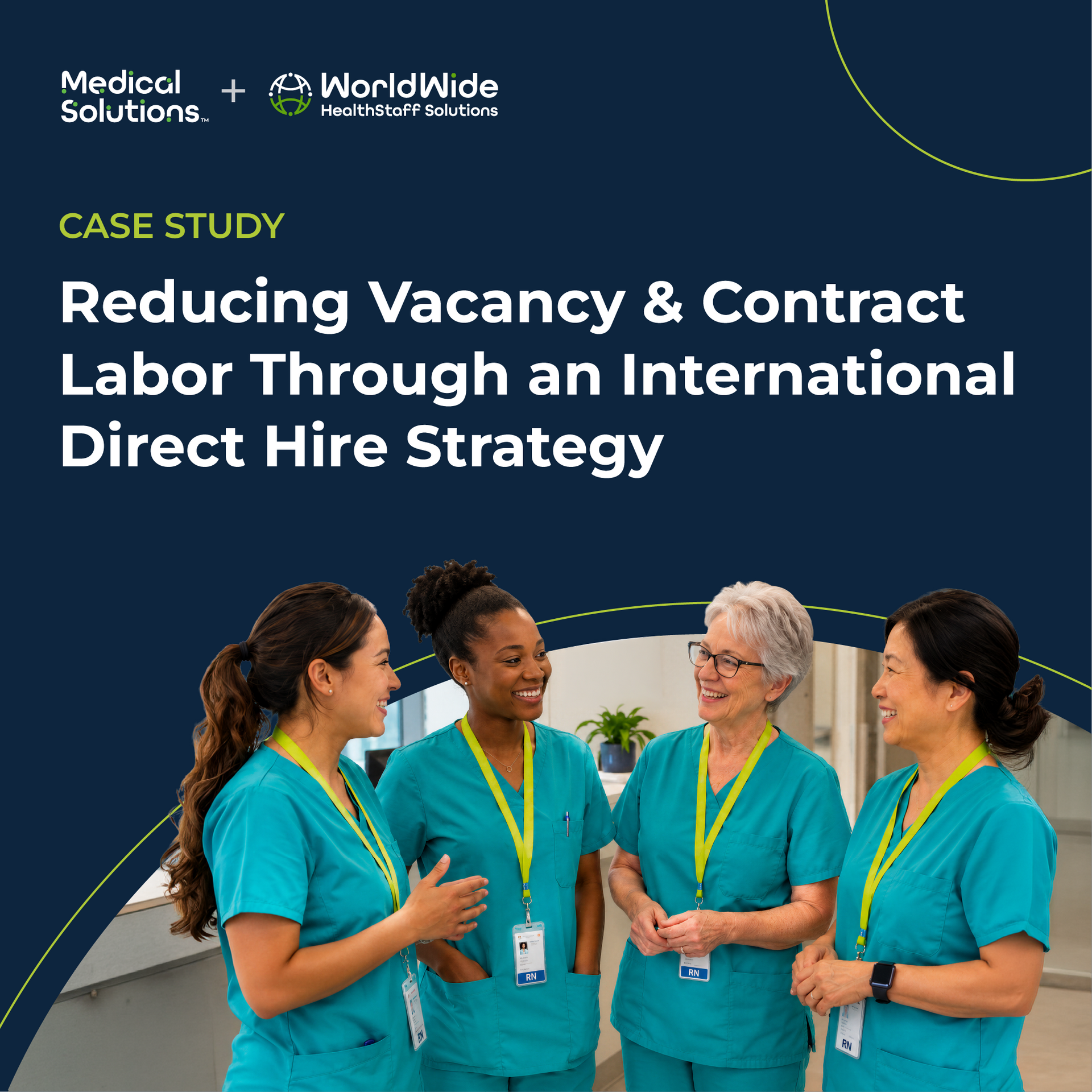
A regional nonprofit health system was working toward three clear workforce goals: improve clinician retention, reduce contract labor spend, and lower vacancy.
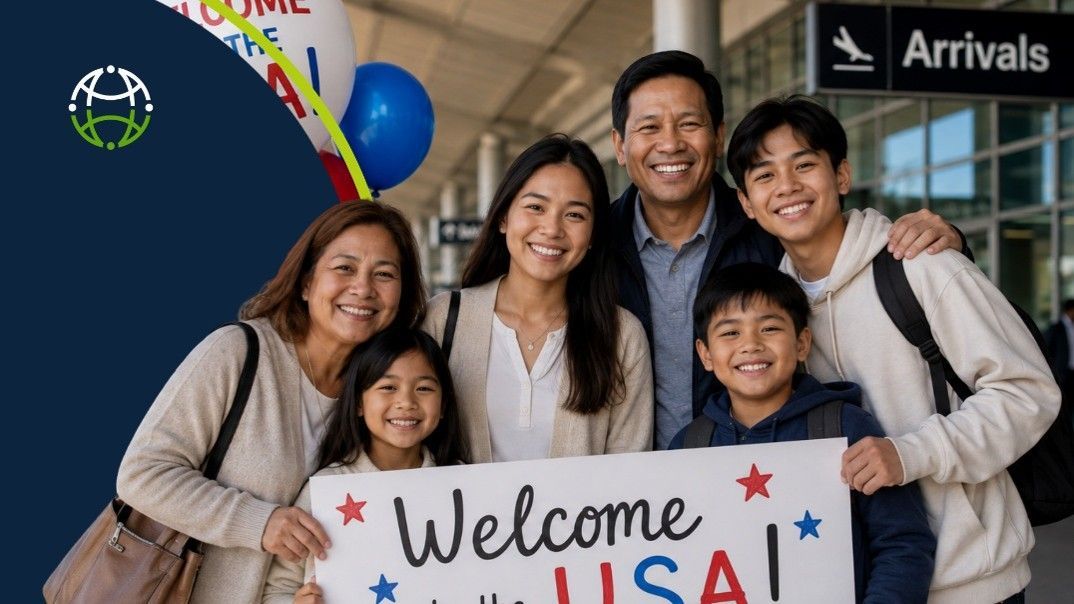
Three international clinicians reflect on their journeys to the U.S. and the careers, milestones, and new opportunities that have followed.
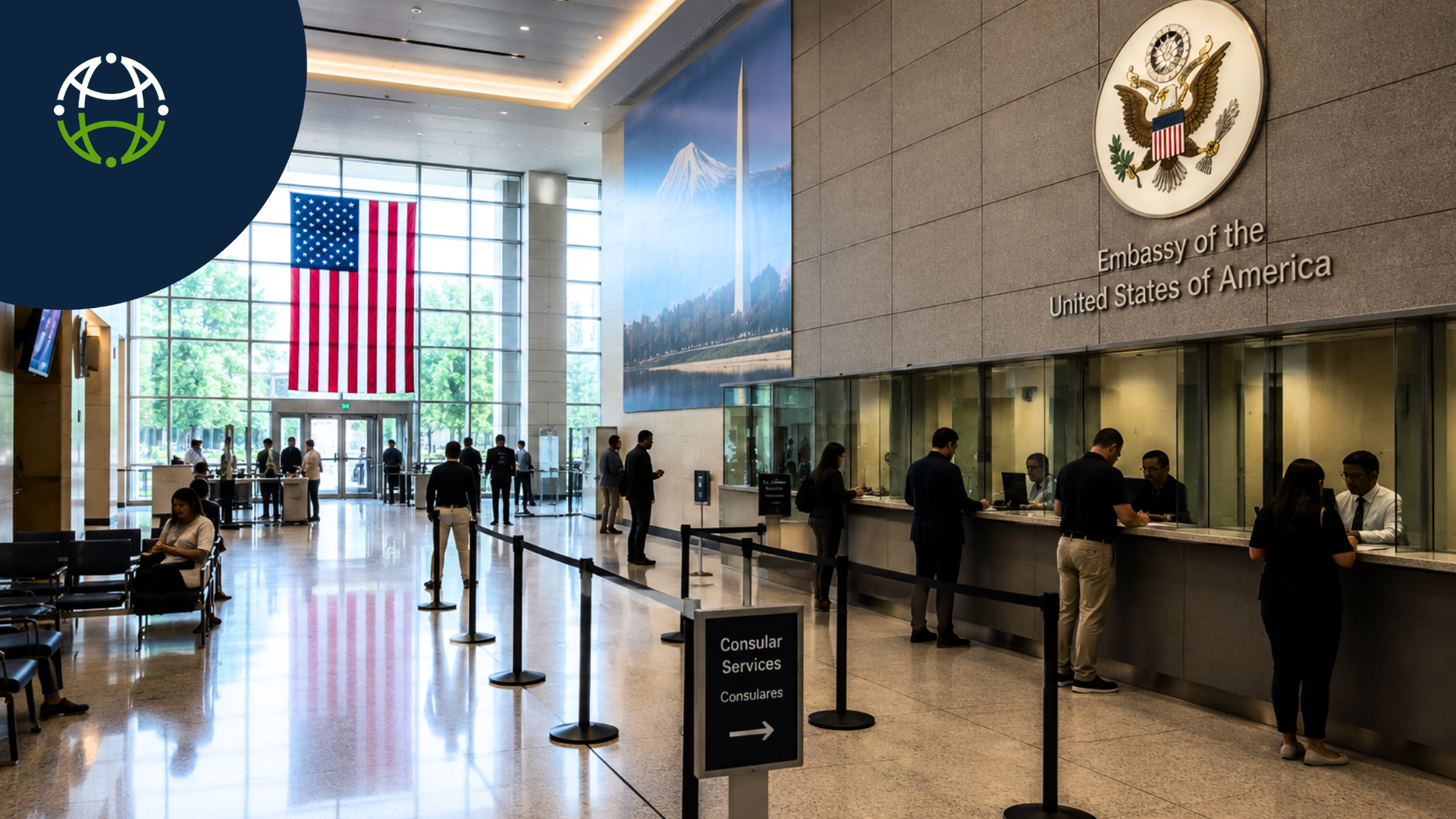
The 75-country immigrant visa pause has been lifted following a federal court ruling. See what this means for healthcare employers.

WorldWide HealthStaff Solutions (WWHS) highlights how international nurse recruitment can help health systems build sustainable nursing pipelines.
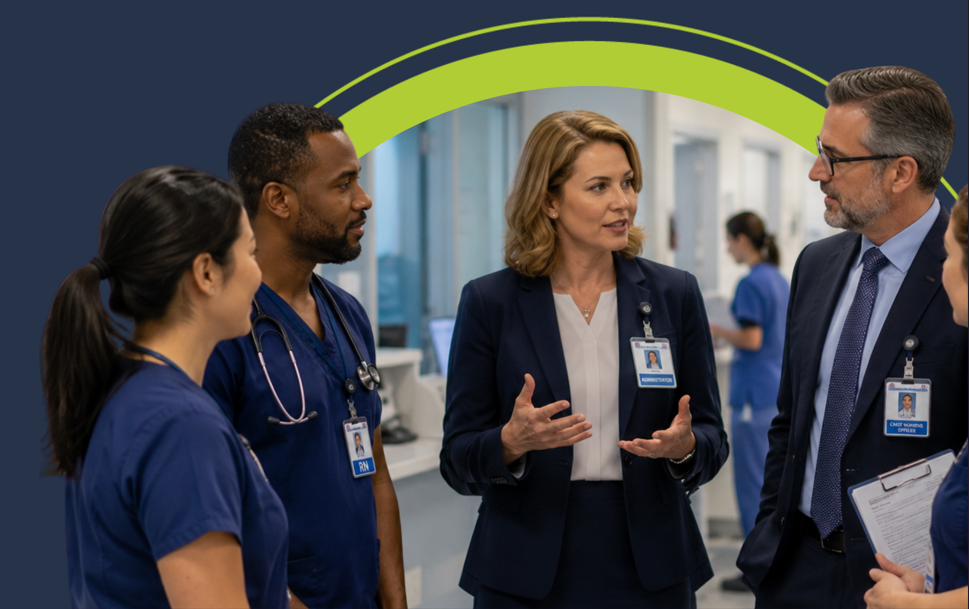
Understanding priority dates, retrogression, and Visa Bulletin trends can help put monthly changes into perspective. Get the key takeaways from our webinar.

Global healthcare talent is becoming an increasingly important solution for healthcare workforce gaps across the U.S.
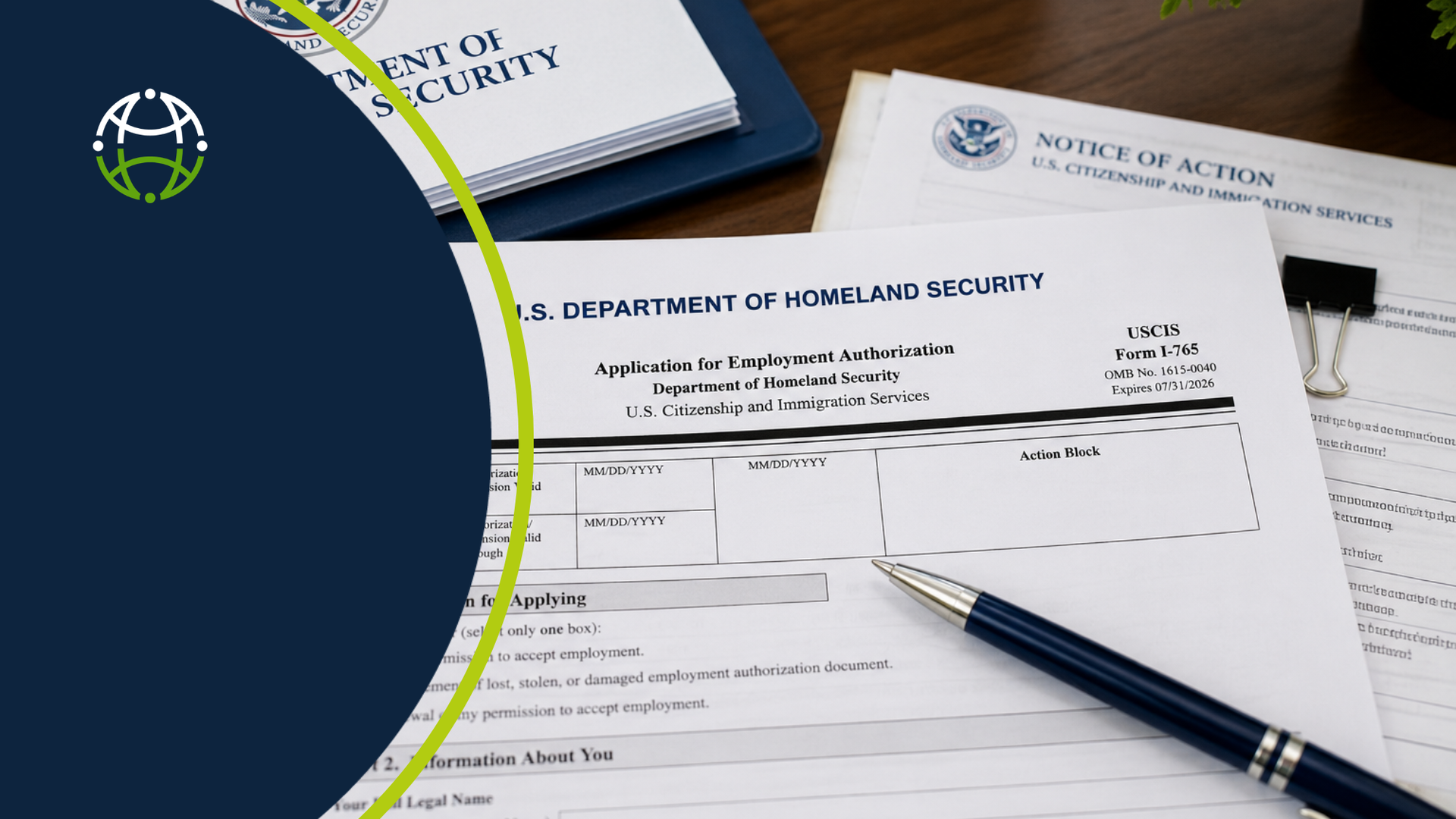
The DHS Final Public Charge Rule may pave the way for visa processing to resume. See what this update means for healthcare organizations recruiting internationally.

Two Midwest health systems strengthened their Med Surg workforce through long-term international nurse recruitment. This case study compares two pipeline strategies at different stages of maturity.
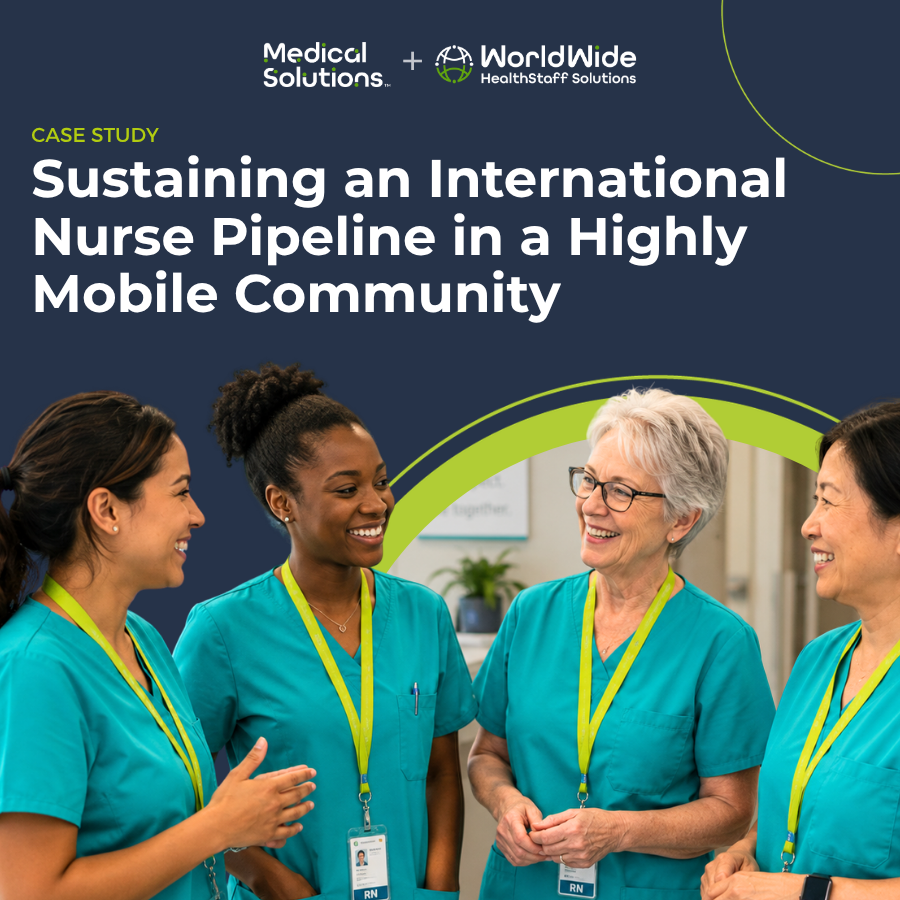
What began as a long-term recruitment strategy has evolved into a robust pipeline supporting four hospitals, with more than 500 nurses placed and another 500+ active in the pipeline.
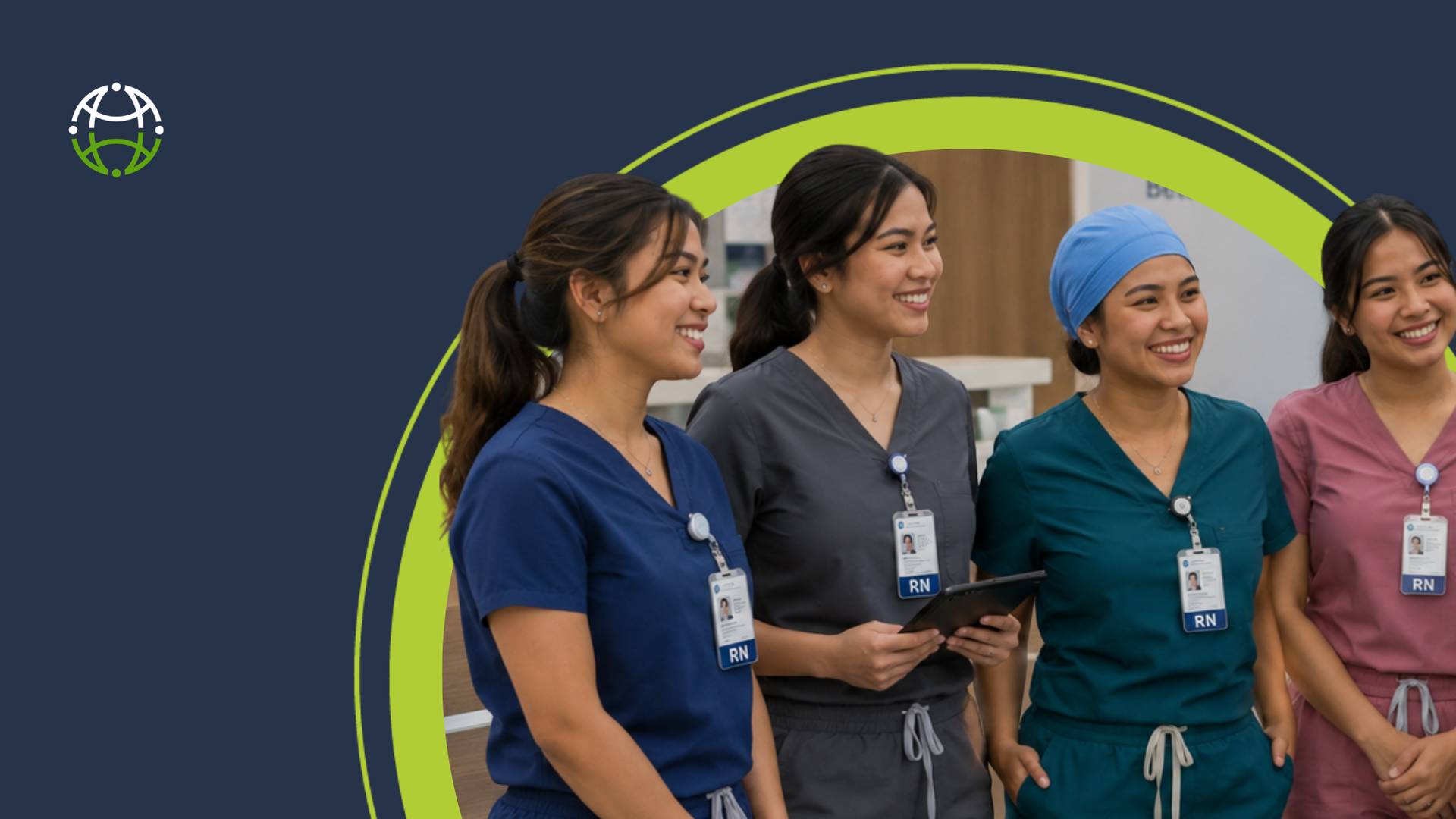
International hiring is only one part of a successful program. Long-term success depends on how prepared your organization is to support nurses once arrived.