


Expanding Talent Pipelines: How Global Clinicians Are Helping to Close the U.S. Workforce Gap
August 3, 2026
Global Clinicians Are Helping to Close the U.S. Workforce Gap
Healthcare organizations aren’t just struggling to fill open nursing roles anymore. They’re losing experienced nurses faster than they can replace them, and that’s creating pressure across entire care teams.
But the conversation around workforce strategy is shifting alongside it. Many are exploring new ways to build stronger, more resilient care teams over time, and internationally educated nurses are becoming an increasingly important part of that effort.
Not only to help fill vacancies, but to generate a steady, long-term pipeline of clinicians, preserve continuity across care environments, and bring valuable clinical experience into the U.S. workforce.
What Do NCLEX Pass Rates Reveal About Global Healthcare Talent?
NCLEX data points to one clear trend: internationally educated nurses are becoming an increasingly important part of the U.S. healthcare workforce.
Between 2023 and 2025, more than 138,000 internationally educated nurses passed the NCLEX. In 2025 alone, international candidates accounted for more than 37,000 passes as health organizations continued investing in global healthcare talent.
U.S.-educated nurses also recorded strong NCLEX growth during that same period, reflecting continued investment in domestic workforce development. But as retirements and workforce exits continue accelerating, many healthcare organizations are realizing demand may continue outpacing traditional staffing pipelines alone.
Why Is the U.S. Grappling With a Nursing Shortage?
Nearly 40% of late-career RNs are expected to leave the workforce within the next five years. When that happens, healthcare organizations lose more than headcount. They lose mentorship, institutional knowledge, and clinical stability across care teams, intensifying the risk of an already looming “experience cliff.”
At the same time, turnover remains expensive. The average cost of bedside RN turnover reached $60,090 per nurse in 2025, with the average hospital losing between $4.2M–$6.2M annually due to RN turnover.
You’re also seeing pressure from multiple directions at once:
- Retirements accelerating across experienced nursing populations
- Burnout continuing to drive workforce exits
- Limited U.S. nursing program capacity showing workforce growth
For many healthcare leaders, this has made workforce planning feel increasingly reactive and intensified the need for more sustainable workforce gap solutions.

International Direct Hire As a Workforce Gap Solution
Many healthcare organizations are expanding talent pipelines through international direct hire programs, often using EB-3 visa pathways to recruit nurses into permanent U.S.-based roles while supporting:
- visa coordination
- credentialing
- licensure preparation
- and onboarding
While all must complete the same rigorous licensure requirements as U.S.-educated nurses, many also bring years of previous clinical and leadership experience with them, which helps offset the growing loss of seasoned nurses across care teams.
As permanent employees, organizations are increasingly seeing the value of staffing global clinicians as part of longer-term workforce planning efforts. Over time, organizations see:
- More workforce continuity
- Less dependence on temporary staffing fixes
- Greater schedule stability
- More consistency in patient care environments
Why Are Healthcare Organizations Expanding Global Talent Pipelines?
Most health leaders already know there isn’t a single solution to the nursing shortage. Domestic hiring still matters. Retention still matters. Workforce development still matters.
But many organizations are realizing that domestic pipelines alone may not be enough to keep pace with long-term demand, especially as experienced nurses continue to leave the workforce. That’s why international nurse recruitment is increasingly becoming part of broader workforce strategies focused on continuity, stability, and long-term team resilience.
Healthcare workforce challenges aren’t disappearing anytime soon, but the organizations that adapt early may be better positioned to build more stable care teams for the future.
Featured Blogs

Three international clinicians reflect on their journeys to the U.S. and the careers, milestones, and new opportunities that have followed.
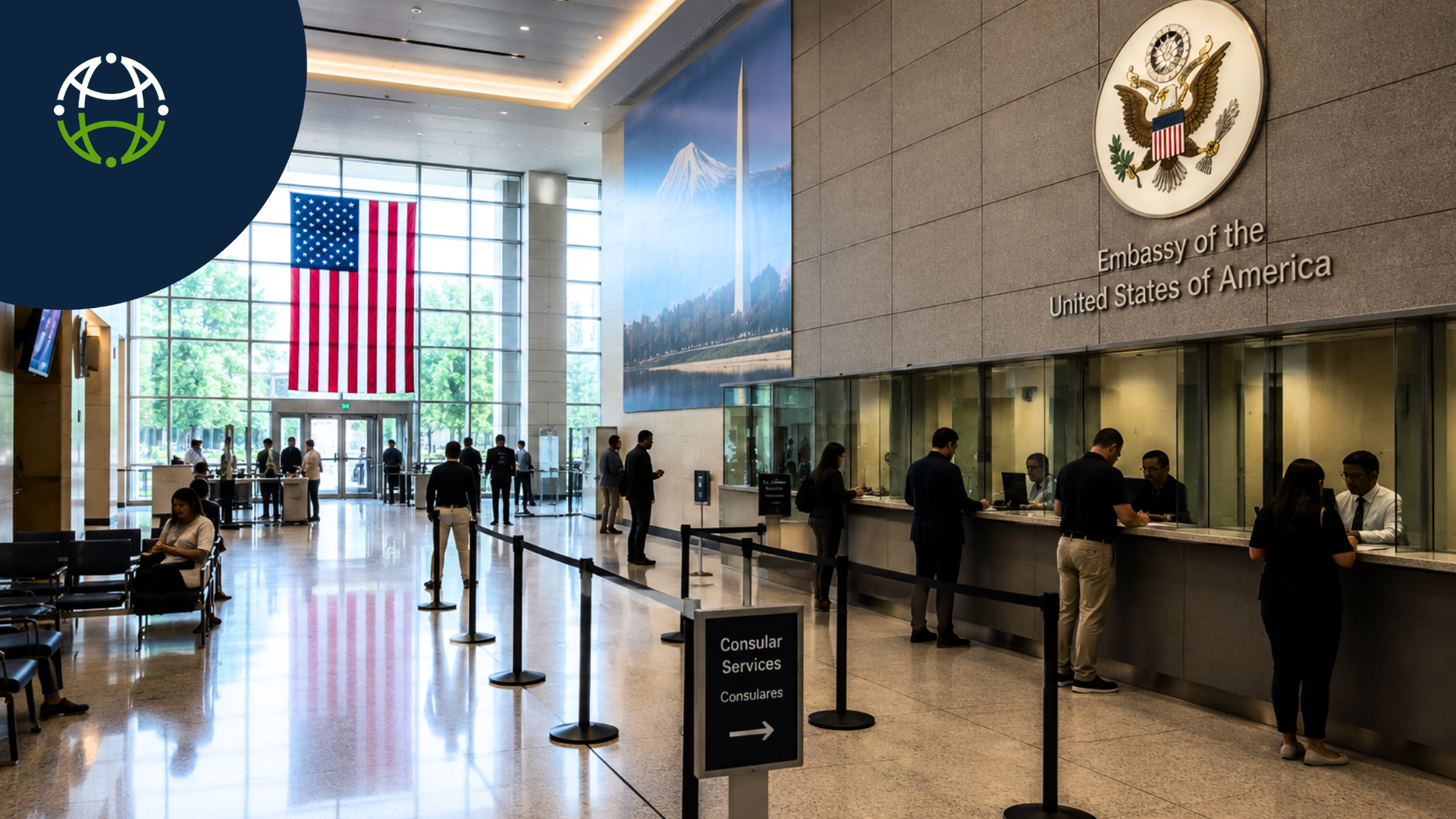
The 75-country immigrant visa pause has been lifted following a federal court ruling. See what this means for healthcare employers.

WorldWide HealthStaff Solutions (WWHS) highlights how international nurse recruitment can help health systems build sustainable nursing pipelines.

Understanding priority dates, retrogression, and Visa Bulletin trends can help put monthly changes into perspective. Get the key takeaways from our webinar.
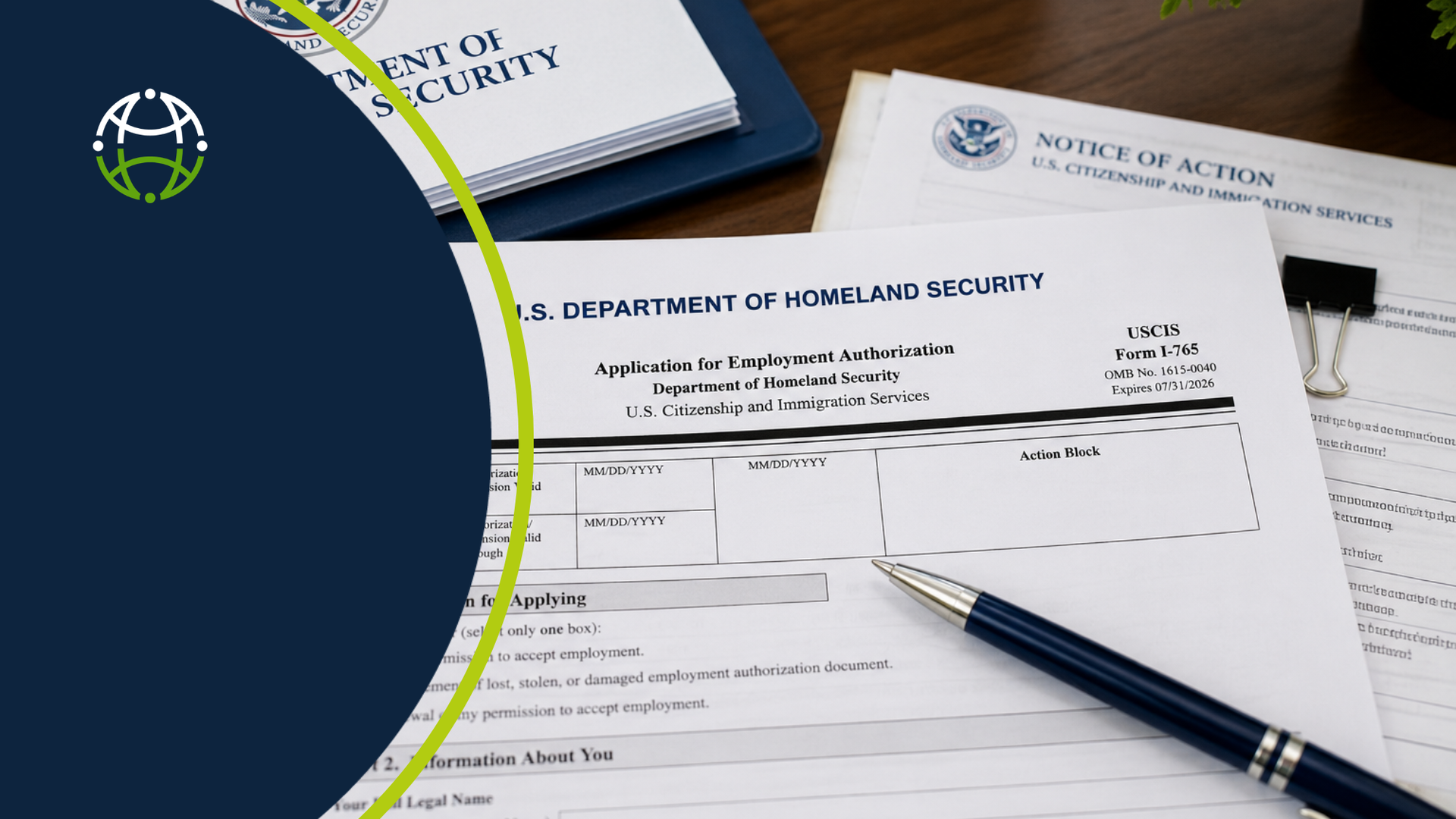
The DHS Final Public Charge Rule may pave the way for visa processing to resume. See what this update means for healthcare organizations recruiting internationally.

Two Midwest health systems strengthened their Med Surg workforce through long-term international nurse recruitment. This case study compares two pipeline strategies at different stages of maturity.
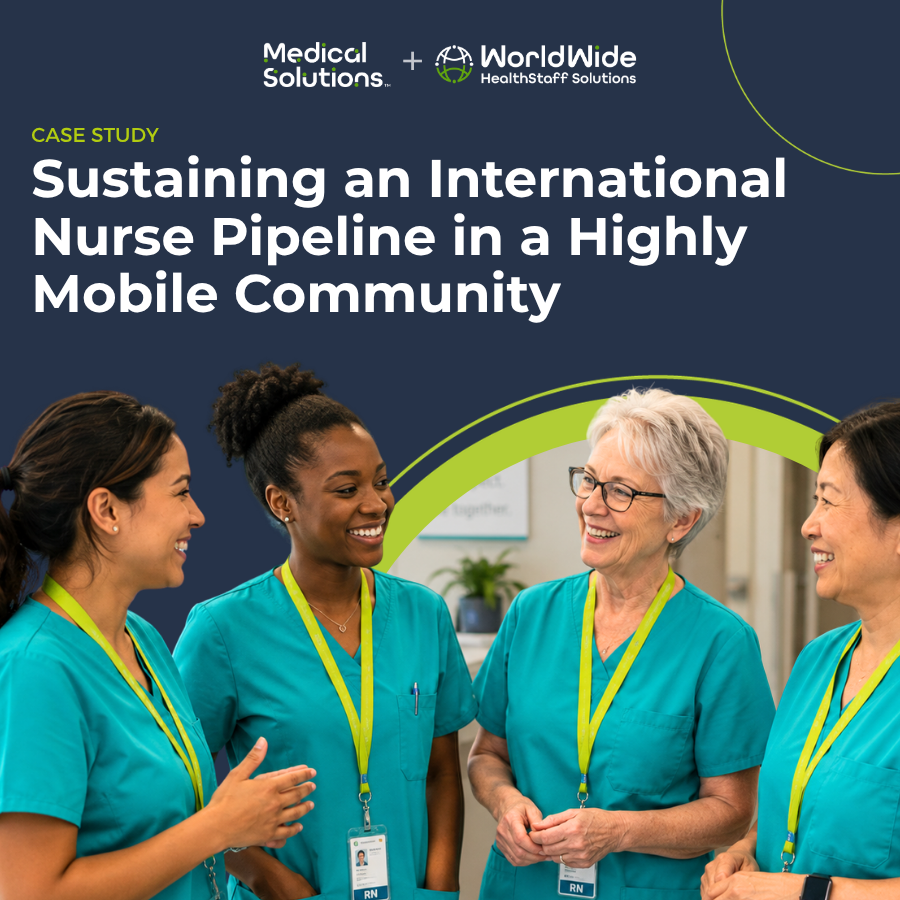
What began as a long-term recruitment strategy has evolved into a robust pipeline supporting four hospitals, with more than 500 nurses placed and another 500+ active in the pipeline.
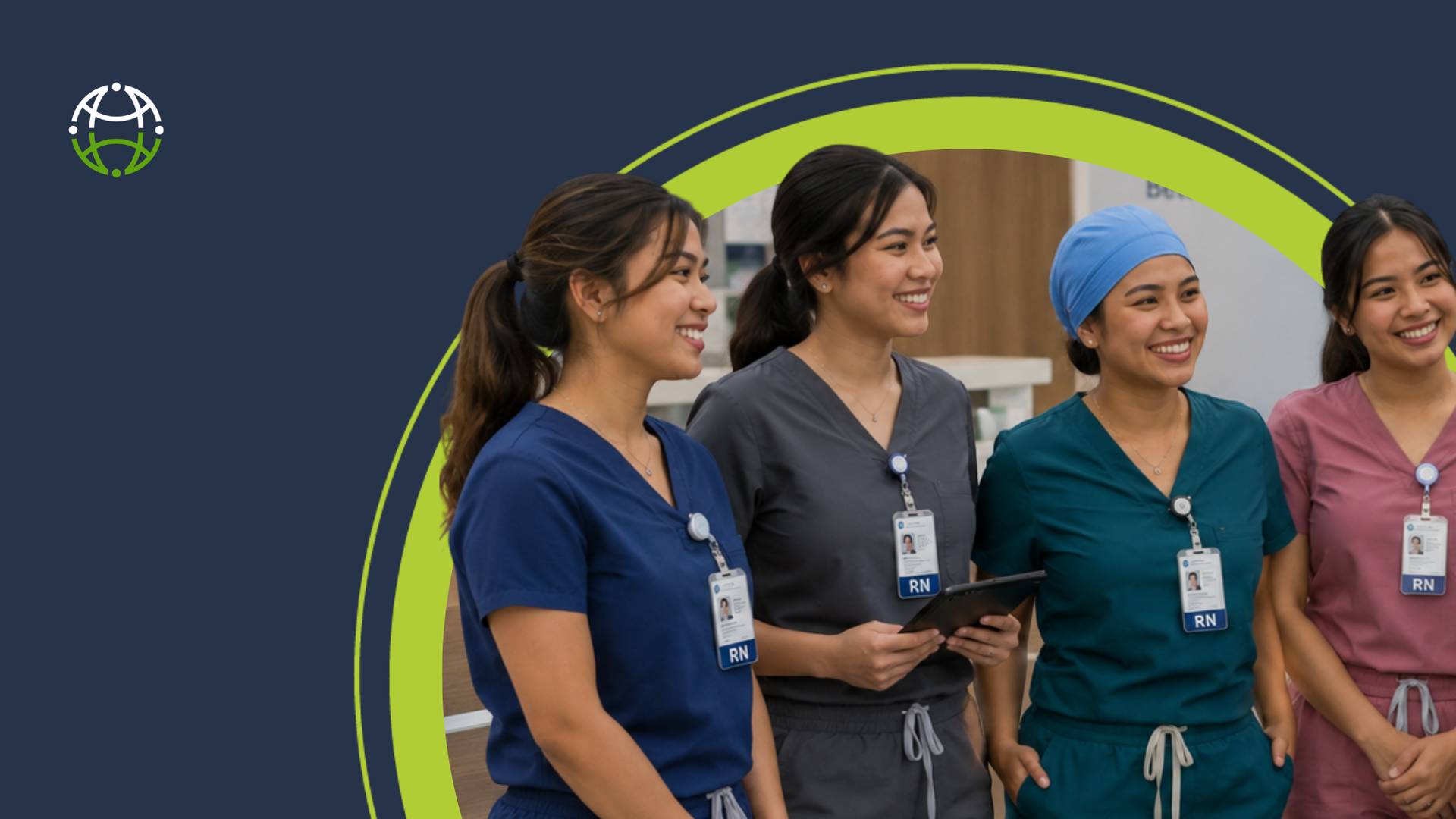
International hiring is only one part of a successful program. Long-term success depends on how prepared your organization is to support nurses once arrived.

WorldWide HealthStaff Solutions is helping organizations fill critical staffing gaps and support patient care with international direct hire recruitment.

HRSA has updated English language proficiency requirements for internationally educated clinicians. Learn what changed and how it impacts recruitment timelines & planning.