



Why International Recruitment Is a Core Pillar of Long-Term Workforce Strategy
June 24, 2026
International Recruitment Isn’t a Stopgap, It’s Core to Workforce Strategy
In the recent webinar “Designing and Implementing a Sustainable International Recruitment Strategy,” industry leaders Ron Hoppe and Patti Artley highlighted a consistent trend: For the past 25 years, the U.S. has had more open positions than qualified applicants, particularly in nursing and allied health.
The data is clarifying. The Bureau of Labor Statistics projects about 189,000 RN openings every year through 2034. Allied health roles add another 1.9 million openings annually. In comparison, roughly 190,000–195,000 first-time U.S.-educated candidates pass the NCLEX-RN each year. That figure represents total licensure, not net workforce growth, as it does not account for retirements, career changes, or attrition, underscoring how tight the domestic pipeline truly is.
This is not a gap that can be closed with short-term fixes or traditional recruitment tactics alone. It is a long-term imbalance that requires a broader lens.
The message is clear: international recruitment must move from a reactive measure to a core, long-term pillar of workforce strategy.
Why the Healthcare Workforce Shortage is Structural, Not Cyclical
Historically, healthcare staffing shortages have been described as cyclical. But as Ron Hoppe noted, the last several decades tell a different story. One of persistent misalignment between supply and demand.
Several forces are converging:
- Aging patient populations are driving higher utilization of healthcare services
- An aging workforce, with roughly
40% of nurses over age 50 and moving closer to retirement
- Burnout and moral distress, intensified by COVID-19, pushing experienced clinicians out of bedside roles
- Turnover costs that can reach millions of dollars annually for a typical hospital when vacancies, overtime, traveler reliance, and onboarding are considered
Taken together, these trends paint a clear picture. Demand continues to rise while supply strains to keep pace. Healthcare organizations cannot train their way out of this gap using domestic pipelines alone.
International Recruitment as a Strategic, Not Tactical, Solution
International recruitment has sometimes been treated as a last resort, activated only in times of acute crisis. The webinar reframed this entirely: international direct hire should be a standing, predictable component of your workforce plan.
Key strategic shifts for leaders include:
- Normalize international hiring targets. Instead of one-off campaigns, organizations should build international recruitment into annual planning, targeting 10–25% of total hires from international sources, depending on market and specialty mix.
- Think in multi-year horizons. International recruitment is inherently long-term, from identification and screening through immigration and deployment. Success requires a three- to five-year lens, not a 90-day vacancy mindset.
- Balance your workforce portfolio. A resilient workforce blends new graduates, experienced domestic hires, flexible staffing solutions, and seasoned international clinicians who often arrive with years of bedside experience.
When viewed this way, international recruitment becomes less about filling vacancies and more about building a workforce that can flex, adapt, and endure.
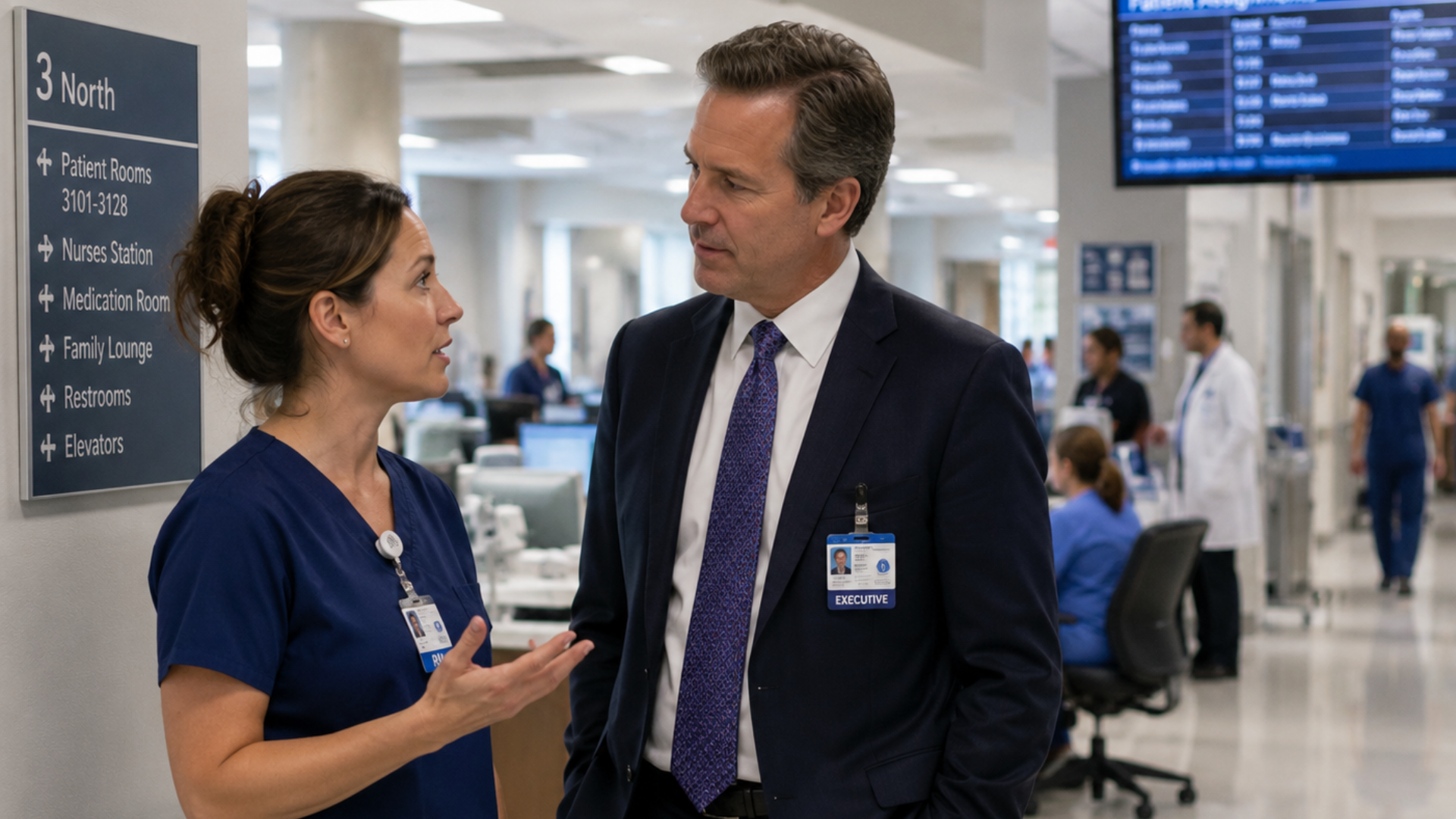
3 Ways to Build International Recruitment into Workforce Strategy
For healthcare executives, the imperative is to move international recruitment from the margins to the center of strategic workforce planning. Start with these practical steps:
- Align HR and clinical leadership around a shared workforce forecast.
Use data on retirements, expansion plans, and historical vacancy rates to define how many roles must be reliably filled each year and where international hiring best fits. - Commit to stable international pipelines.
Establish multi-year agreements with trusted partners who specialize in ethical, direct-hire international recruitment for nurses and allied health professionals. - Invest in readiness and integration.
Recruitment is only half the equation. Leaders must ensure that onboarding, preceptorship, and community support are designed with international clinicians in mind to maximize retention and long-term impact.
What Comes Next
The labor market signals are unmistakable: the gap between patient demand and clinician supply will not close on its own. International recruitment is no longer a “nice-to-have” contingency plan. It is a strategic necessity for any health system seeking long-term stability and growth.
By elevating international recruitment to a core pillar of your workforce strategy, healthcare leaders can build a more resilient, diverse, and future-ready clinical workforce.
Worldwide Health Staff Solutions partners with healthcare organizations to design and scale direct-hire international recruitment programs for nurses and allied health professionals. From long-term workforce planning to candidate integration, their team helps build sustainable pipelines that support lasting success. You can learn more or connect with WorldWide HealthStaff Solutions here.
Watch the full webinar on demand: Designing and Implementing an International Recruitment Strategy
Featured Blogs

Three international clinicians reflect on their journeys to the U.S. and the careers, milestones, and new opportunities that have followed.
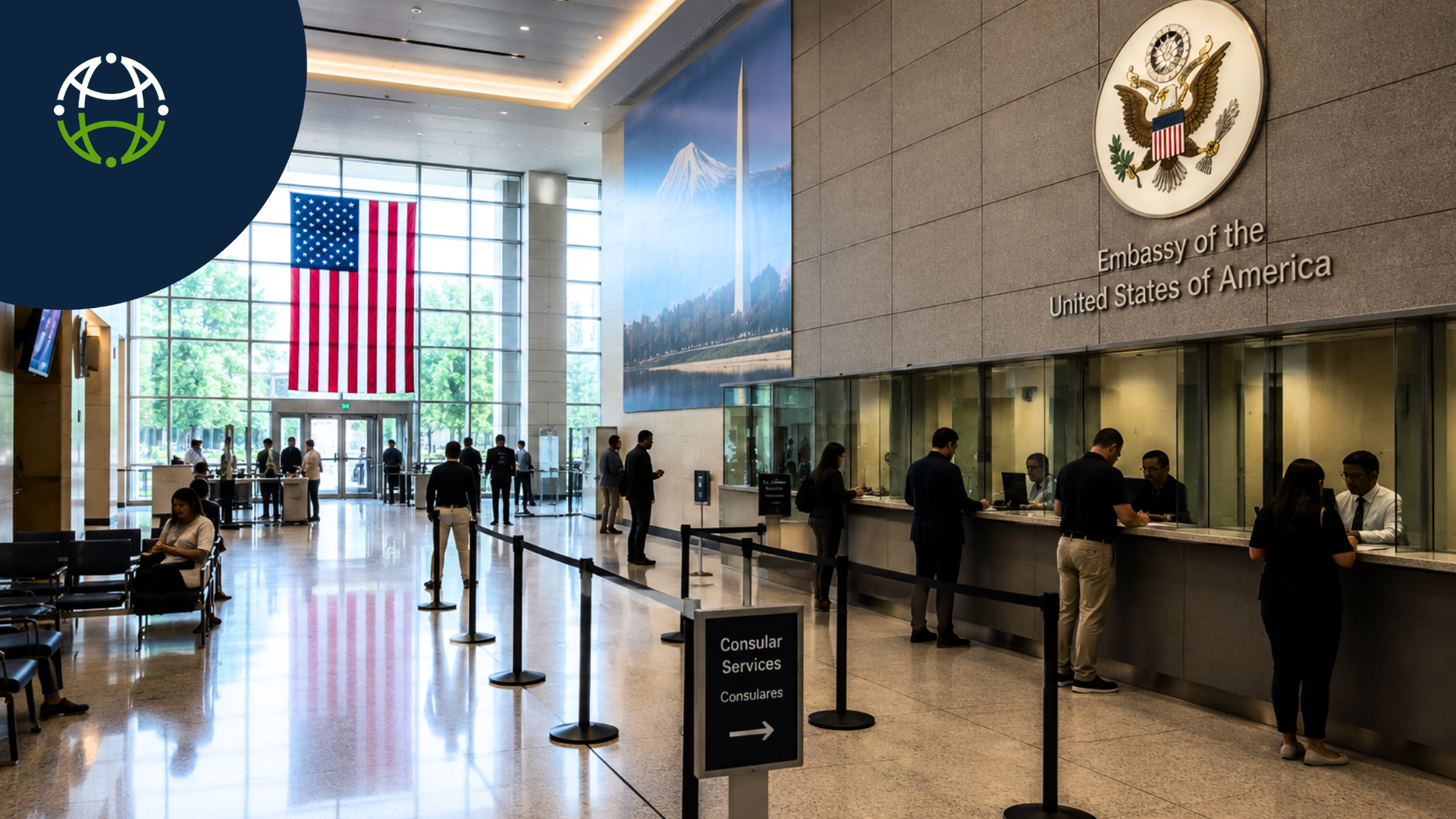
The 75-country immigrant visa pause has been lifted following a federal court ruling. See what this means for healthcare employers.

WorldWide HealthStaff Solutions (WWHS) highlights how international nurse recruitment can help health systems build sustainable nursing pipelines.

Understanding priority dates, retrogression, and Visa Bulletin trends can help put monthly changes into perspective. Get the key takeaways from our webinar.

Global healthcare talent is becoming an increasingly important solution for healthcare workforce gaps across the U.S.
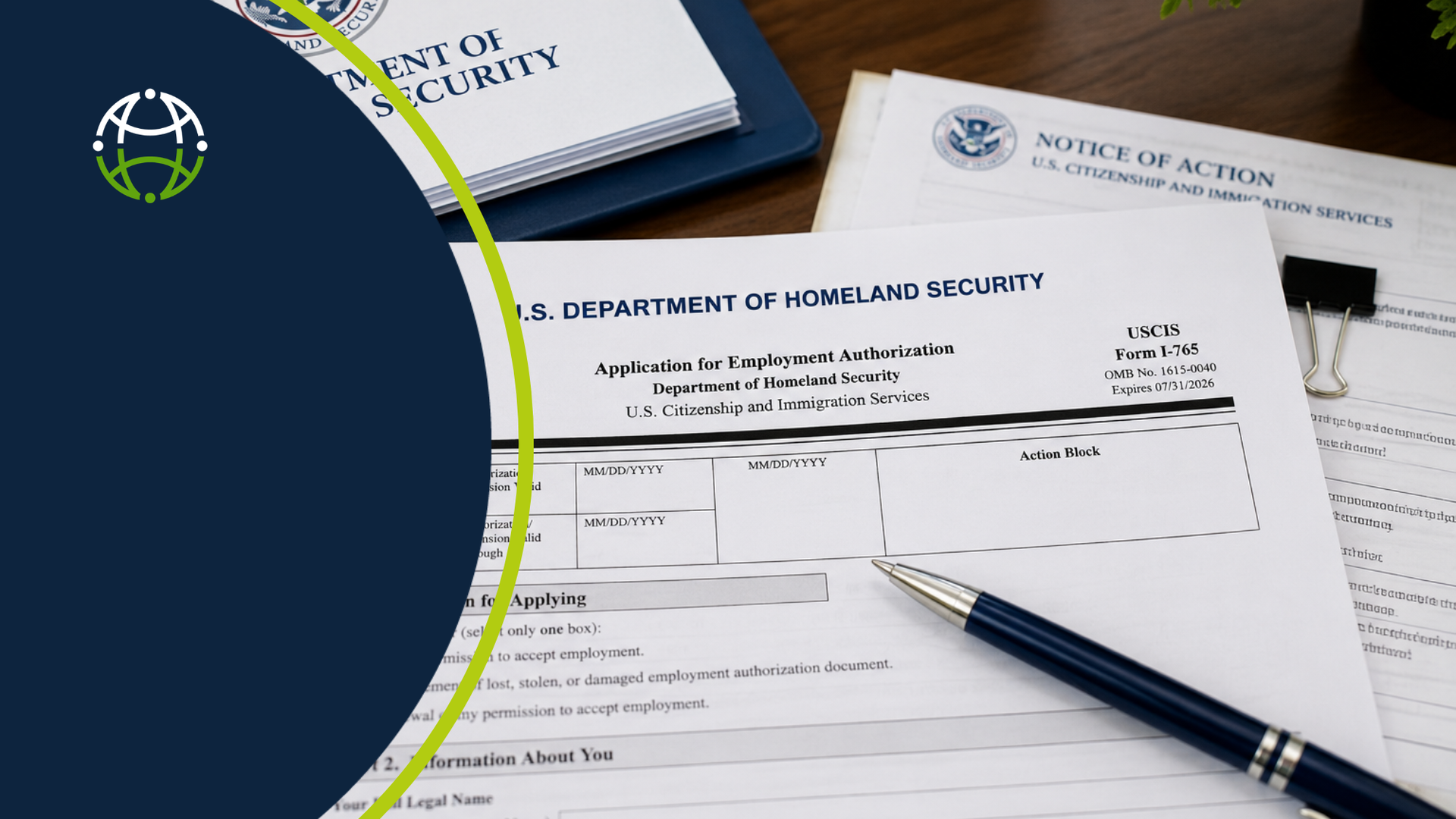
The DHS Final Public Charge Rule may pave the way for visa processing to resume. See what this update means for healthcare organizations recruiting internationally.

Two Midwest health systems strengthened their Med Surg workforce through long-term international nurse recruitment. This case study compares two pipeline strategies at different stages of maturity.
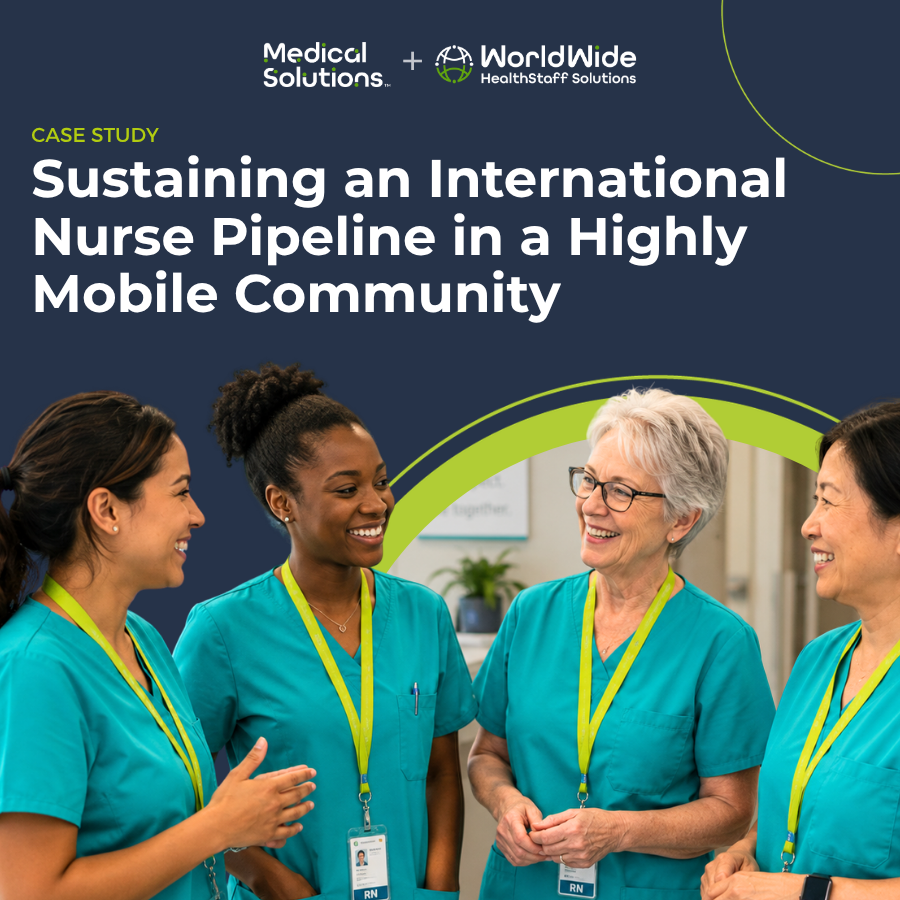
What began as a long-term recruitment strategy has evolved into a robust pipeline supporting four hospitals, with more than 500 nurses placed and another 500+ active in the pipeline.

International hiring is only one part of a successful program. Long-term success depends on how prepared your organization is to support nurses once arrived.

WorldWide HealthStaff Solutions is helping organizations fill critical staffing gaps and support patient care with international direct hire recruitment.