

Understanding the Impact of the Visa Bulletin: Why Long-Term Workforce Planning Matters More Than Monthly Movement
August 14, 2026
When the Visa Bulletin changes, it's easy to wonder what it means for your international recruitment plans. Should you pause hiring? Increase it? Wait for more movement? The reality is that monthly updates rarely tell the whole story.
That's exactly what Amy Kerr, Vice President of Business Development, and Ann-Rose Johnson-Lewis, Director of Legal Services at WorldWide HealthStaff Solutions, unpacked during the webinar, Understanding the Impact of the Visa Bulletin on International Recruiting.
They explain how to interpret the Visa Bulletin, what terms like priority dates and retrogression mean, and why successful international recruitment depends on long-term planning rather than predicting the next monthly update.
What Is the Visa Bulletin?
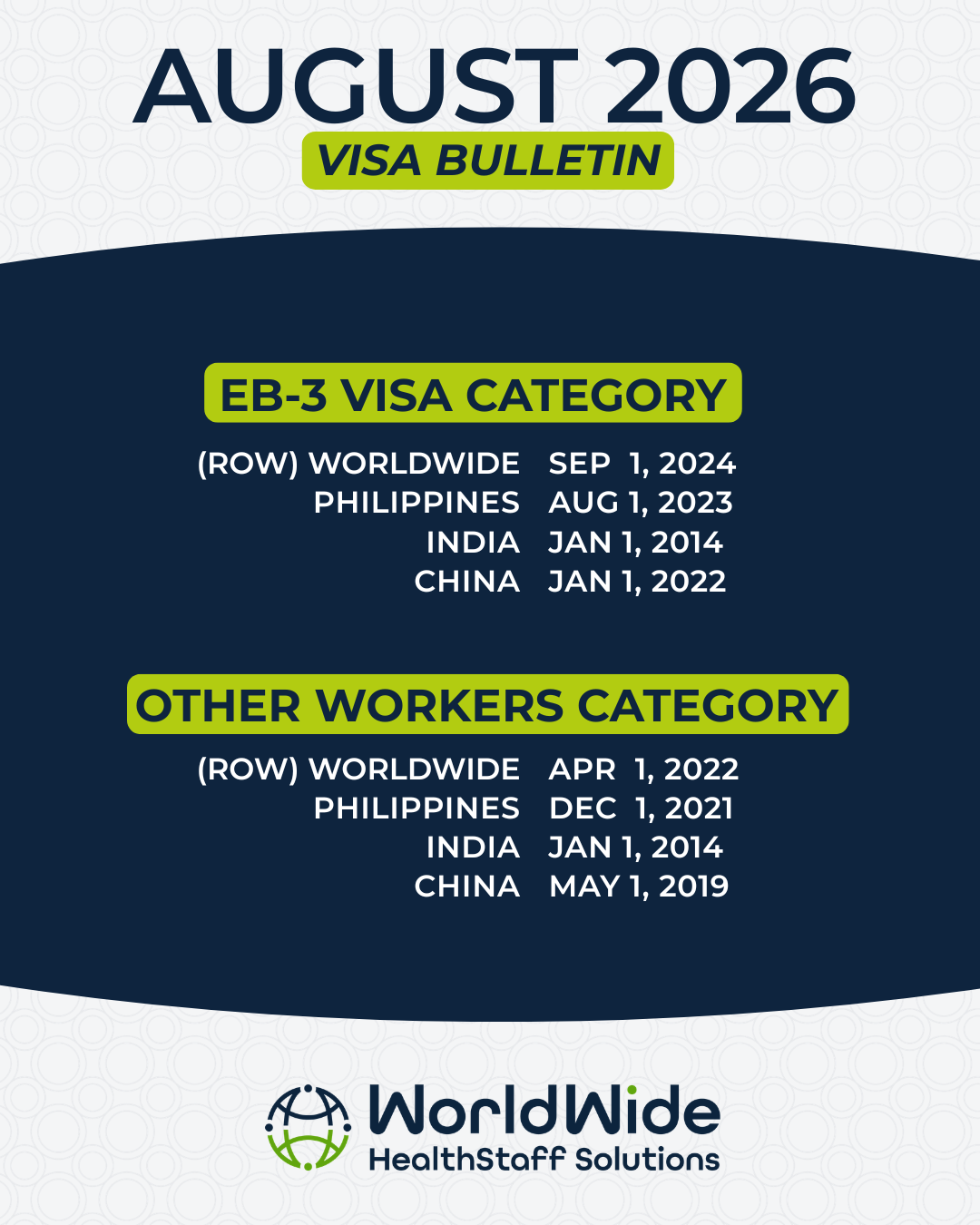
The Visa Bulletin is a monthly publication from the U.S. Department of State that shows when immigrant visas are available for different visa categories and countries of origin. For healthcare organizations recruiting internationally, it helps indicate where candidates are in the immigration process and when they may be able to move forward.
While the Visa Bulletin is an important planning tool, it's only one piece of the larger puzzle. Monthly changes can be difficult to interpret, and they don't necessarily mean you should change your recruitment strategy. That's why understanding the bigger picture is so important.
Want a step-by-step walkthrough of how to read the Visa Bulletin and what the monthly updates mean for your hiring plans? Watch our free webinar for a deeper explanation.
Understanding the Visa Bulletin as a Workforce Planning Tool
The Visa Bulletin serves as a roadmap for employment-based immigration and helps determine when international clinicians can continue through the immigration process. While you don’t need to become an immigration expert, understanding a few key concepts can help you with long-term workforce planning.
Key terms of the Visa Bulletin include:
- Priority Date: This establishes a candidate's place in line for visa processing. Because employment-based immigration operates on a first-come, first-served basis, starting earlier helps candidates to move through the process sooner.
- Final Action Date: This determines when immigrant visas can be issued and when candidates become eligible to proceed toward arrival.
- Dates for Filing: These dates indicate when applicants may submit certain immigration documents before visas become available, helping portions of the process move forward sooner.
- Retrogression: This occurs when visa demand exceeds supply, causing dates to slow, stop, or move backward temporarily. While retrogression can be frustrating or cause concern, it is a normal part of employment-based immigration and something you should expect throughout the process.
It's easy to focus on whether the Visa Bulletin moves forward, stays the same, or retrogresses from one month to the next. But those monthly changes shouldn't drive your hiring strategy. Instead, think of the Visa Bulletin as one tool that helps your long-term workforce planning.
Why Waiting to Hire Often Creates Longer Timelines
One of the most common misconceptions surrounding international recruitment is the belief that you should wait until Visa Bulletin movement improves before beginning the international direct hire process.
In reality, waiting often creates longer delays.
Because employment-based immigration is first-come, first-served, organizations that start earlier establish priority dates sooner and position themselves to benefit when movement occurs. If you wait, you’re simply joining the line later.
As discussed during the webinar, no one can accurately predict future Visa Bulletin movement with certainty. Trying to time the process rarely pays off. Instead, ask yourself:
- What are our workforce needs over the next three to five years?
- Which specialties are consistently difficult to recruit?
- How many anticipated retirements should we prepare for?
- How can we create more predictable talent pipelines?
When you start planning early, you're in a better position to adapt to changing timelines while keeping your workforce plans on track.
3 Ways to Build International Recruitment Into Your Long-Term Workforce Planning
The Visa Bulletin is most valuable when you use it to inform your long-term hiring strategy, not dictate your month-to-month decisions. Here are three ways to put it into practice.
1. Plan for future vacancies, not today's openings
International recruitment takes time. The immigration process alone takes on average 2-3 years. Use your projected retirements, historical turnover, growth plans, and hard-to-fill specialties to identify hiring needs a few years ahead. Starting the process early helps position candidates to move through immigration sooner.
2. Track trends instead of individual monthly updates
One month's Visa Bulletin movement doesn't tell the whole story. Instead of making hiring decisions based on whether dates move forward or backward in a given month, look at longer-term trends and continue building your recruitment pipeline. A consistent approach helps you avoid starting and stopping recruitment based on short-term fluctuations.
3. Build an ongoing pipeline, not one-time hiring campaigns
Organizations that commit to recruiting international clinicians year after year create a more predictable flow of arriving clinicians over time. Rather than waiting until staffing shortages become urgent, clinicians would have already entered the immigration process, and you're better prepared as openings occur over time.
What Comes Next
Healthcare workforce shortages are unlikely to disappear overnight, which means planning ahead has never been more important.
WorldWide HealthStaff Solutionspartners with healthcare organizations like yours to navigate changing immigration timelines and develop sustainable international recruitment programs that support long-term workforce goals. You can learn more or connect with WorldWide HealthStaff Solutions here.
Watch the full free webinar on demand: Understanding the Impact of the Visa Bulletin on International Recruiting
Featured Blogs
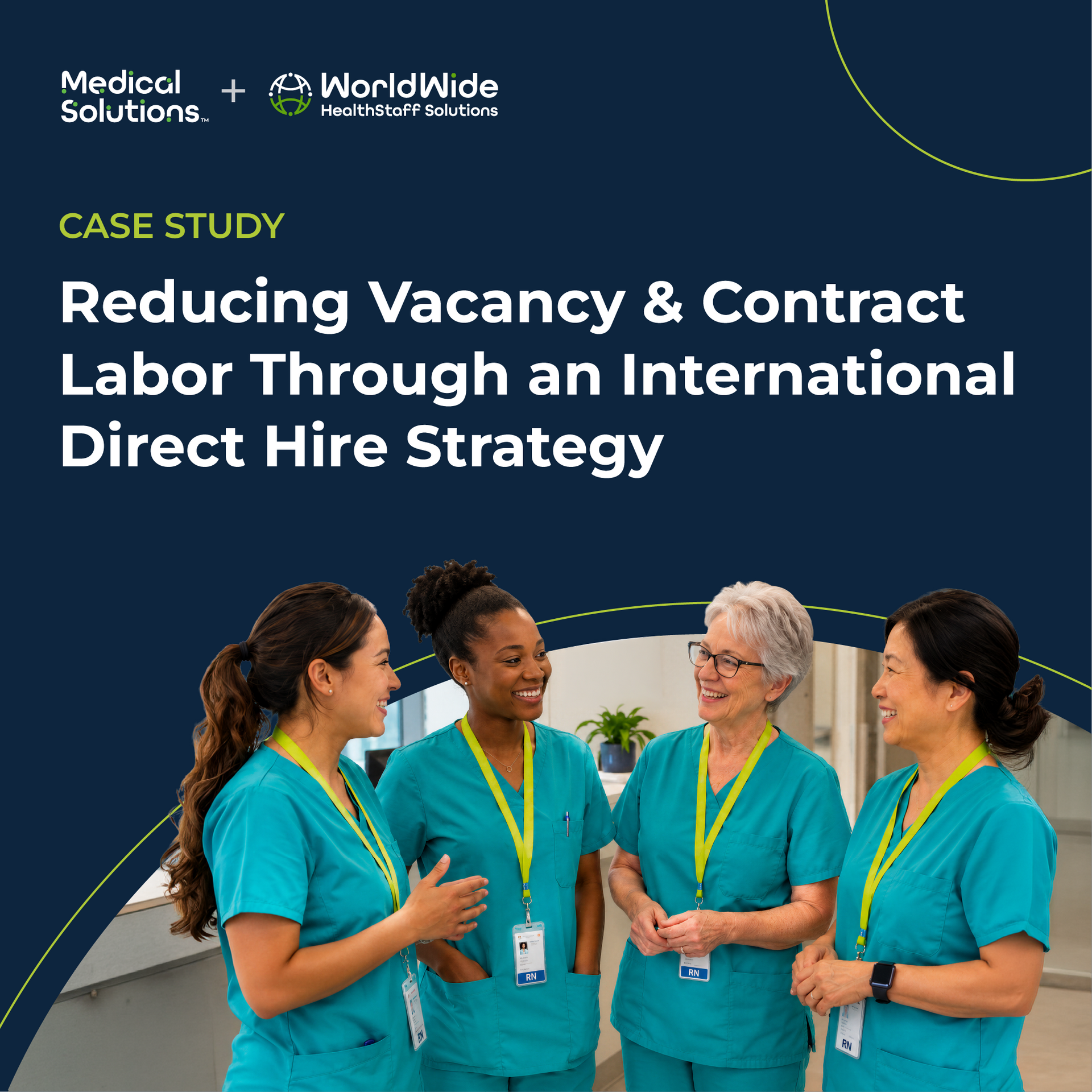
A regional nonprofit health system was working toward three clear workforce goals: improve clinician retention, reduce contract labor spend, and lower vacancy.

Three international clinicians reflect on their journeys to the U.S. and the careers, milestones, and new opportunities that have followed.
The 75-country immigrant visa pause has been lifted following a federal court ruling. See what this means for healthcare employers.

WorldWide HealthStaff Solutions (WWHS) highlights how international nurse recruitment can help health systems build sustainable nursing pipelines.

Global healthcare talent is becoming an increasingly important solution for healthcare workforce gaps across the U.S.
The DHS Final Public Charge Rule may pave the way for visa processing to resume. See what this update means for healthcare organizations recruiting internationally.

Two Midwest health systems strengthened their Med Surg workforce through long-term international nurse recruitment. This case study compares two pipeline strategies at different stages of maturity.
What began as a long-term recruitment strategy has evolved into a robust pipeline supporting four hospitals, with more than 500 nurses placed and another 500+ active in the pipeline.

International hiring is only one part of a successful program. Long-term success depends on how prepared your organization is to support nurses once arrived.

WorldWide HealthStaff Solutions is helping organizations fill critical staffing gaps and support patient care with international direct hire recruitment.