


New HRSA English Testing Requirements May Affect International Recruitment Timelines
July 2, 2026
New HRSA English Testing Requirements May Affect International Recruitment Timelines
The U.S. Health Resources and Services Administration (HRSA) recently updated its English language proficiency testing requirements for foreign healthcare workers seeking certification to practice in the United States.
Effective May 12, 2026, the changes include higher minimum score requirements for several commonly used English proficiency exams.
While this primarily affects internationally educated healthcare professionals, it could have downstream effects on recruitment timelines, candidate pipeline visibility, and workforce planning efforts. This article explains what changed, who is affected, and what healthcare organizations should consider moving forward.
Why Did HRSA Update the Requirements?
According to HRSA, the updated standards are intended to strengthen communication requirements for healthcare professionals practicing in the United States.
Strong English communication skills play an important role in:
- Patient safety
- Communication among healthcare teams
- Understanding medical instructions
- Clinical documentation and reporting
Several of the updated requirements place greater emphasis on speaking and communication proficiency.
What Changed?
HRSA increased the minimum score requirements for several English language proficiency exams, including:
For registered nurses and other bachelor's-level healthcare workers:
- Minimum Speaking score increased from 50 to 76
- Minimum Reading, Writing, and Listening scores increased from 50 to 62
- Overall required score remains 55
Occupational English Test (OET)
For registered nurses and other bachelor's-level healthcare workers:
- Speaking increased from 350 to 360
- Writing increased from 300 to 350
- Reading increased from 300 to 340
- Listening increased from 300 to 320
For registered nurses and other bachelor's-level healthcare workers:
- Speaking score increased from 55 to 59
- Overall score increased from 55 to 58
TOEIC No Longer Accepted
The Test of English for International Communication (TOEIC) is no longer accepted for registered nurses and other bachelor's-level healthcare workers pursuing certification for U.S. employment.
Which English Exams Have Stayed the Same?
HRSA did not change requirements for:
*Note: Candidates who completed their English language proficiency exams before May 12, 2026, may still qualify under the previous requirements, depending on certification status and score validity.

What Does This Mean for Healthcare Employers?
Higher testing thresholds may influence the pace and timing of international recruitment efforts. For candidates currently in the certification process, stronger English proficiency standards may require additional preparation, coaching, or retesting before they can meet certification requirements.
This may translate into:
- Longer preparation timelines for some candidates
- Delays in credentialing milestones
- Extended timeframes between candidate selection and deployment
The impact will vary based on where candidates are in the certification process and which English proficiency exam they have taken or plan to take.
Workforce Planning Considerations
International recruitment remains an important workforce strategy for healthcare organizations seeking to address ongoing staffing shortages and build sustainable talent pipelines.
As you evaluate future workforce needs, it may be helpful to:
- Stay informed about certification and testing requirements that could affect candidate timelines
- Account for the possibility of additional testing or retesting when forecasting start dates
- Maintain visibility into where candidates are in the certification process
- Continue investing in a balanced workforce strategy that includes both domestic and international talent pipelines
While the updated testing requirements may create temporary adjustments for some candidates, internationally educated clinicians continue to play a vital role in supporting healthcare workforce needs across the United States.
WorldWide HealthStaff Solutions Continues to Monitor Requirements
Changes to certification and immigration requirements can create uncertainty, especially when they affect candidate timelines and workforce planning efforts.
WorldWide HealthStaff Solutions (WWHS) is actively working with candidates who may be impacted by these updated English proficiency requirements, helping them understand testing expectations, prepare for required exams, and navigate the certification process so they can continue moving toward U.S. employment opportunities.
WWHS will continue to monitor updates to English exam requirements to help minimize disruptions and keep recruitment efforts moving forward.
Questions about how these changes may affect your candidate pipeline or international recruitment strategy? Contact your WWHS representative or reach out here.
Featured Blogs
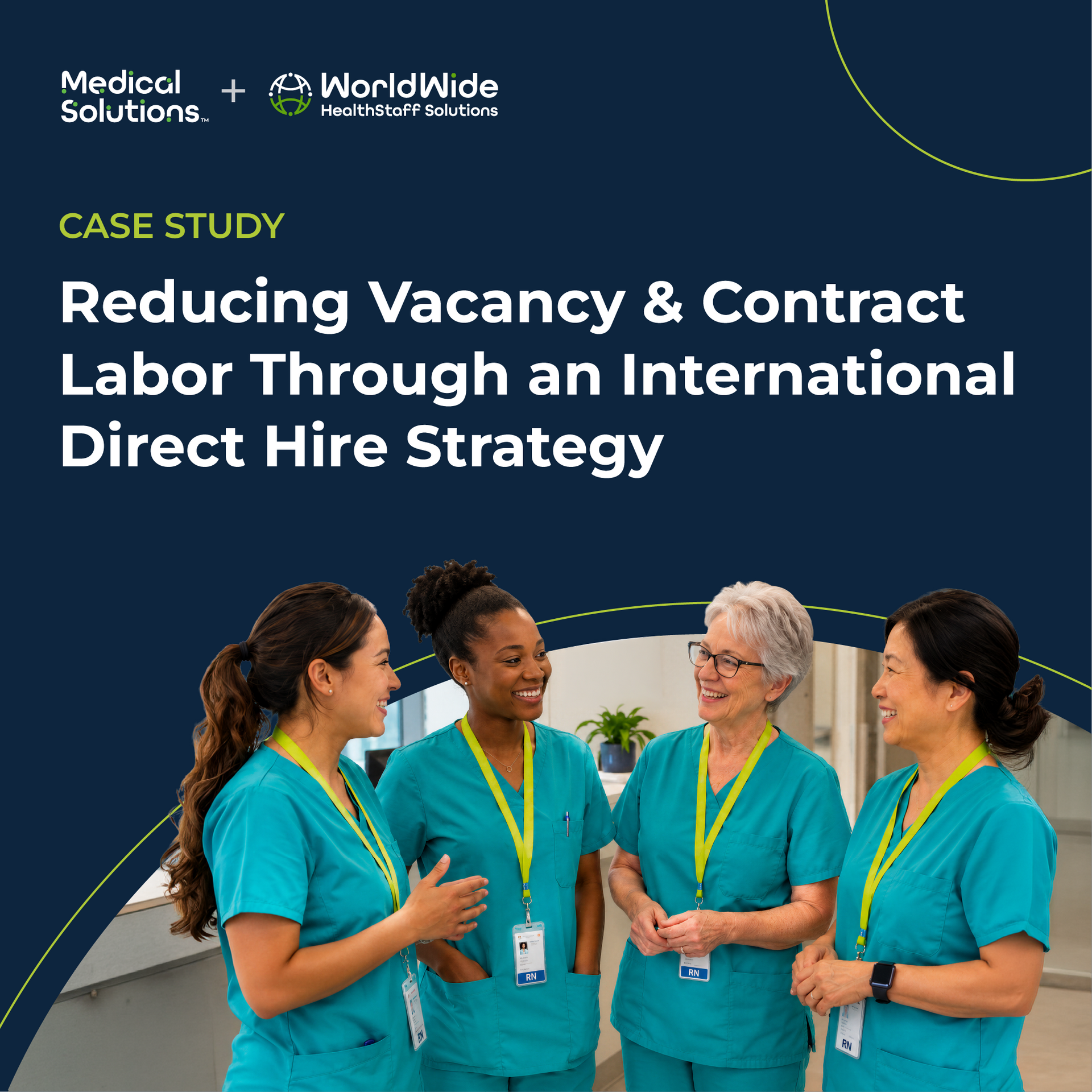
A regional nonprofit health system was working toward three clear workforce goals: improve clinician retention, reduce contract labor spend, and lower vacancy.

Three international clinicians reflect on their journeys to the U.S. and the careers, milestones, and new opportunities that have followed.
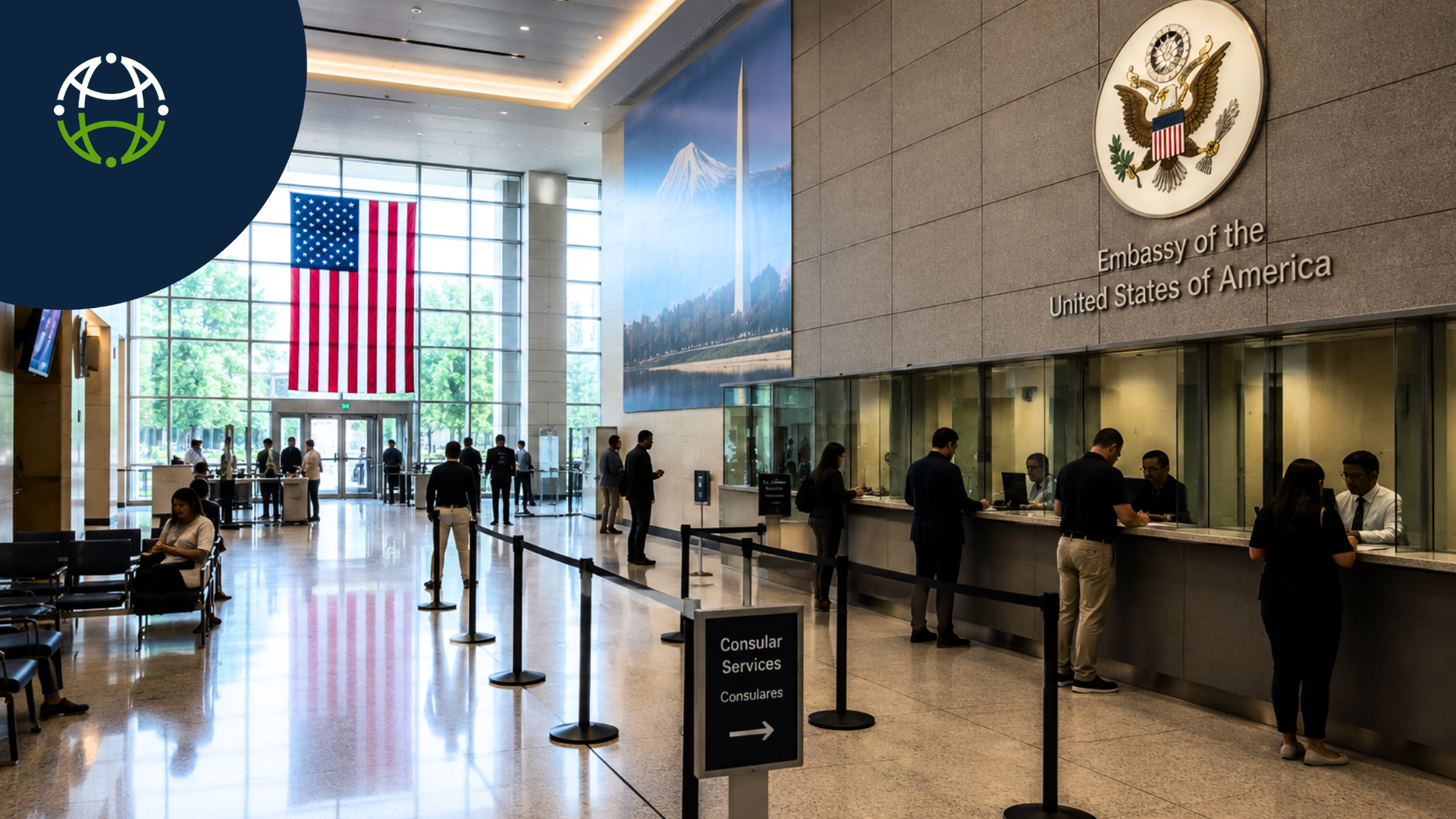
The 75-country immigrant visa pause has been lifted following a federal court ruling. See what this means for healthcare employers.

WorldWide HealthStaff Solutions (WWHS) highlights how international nurse recruitment can help health systems build sustainable nursing pipelines.

Understanding priority dates, retrogression, and Visa Bulletin trends can help put monthly changes into perspective. Get the key takeaways from our webinar.

Global healthcare talent is becoming an increasingly important solution for healthcare workforce gaps across the U.S.
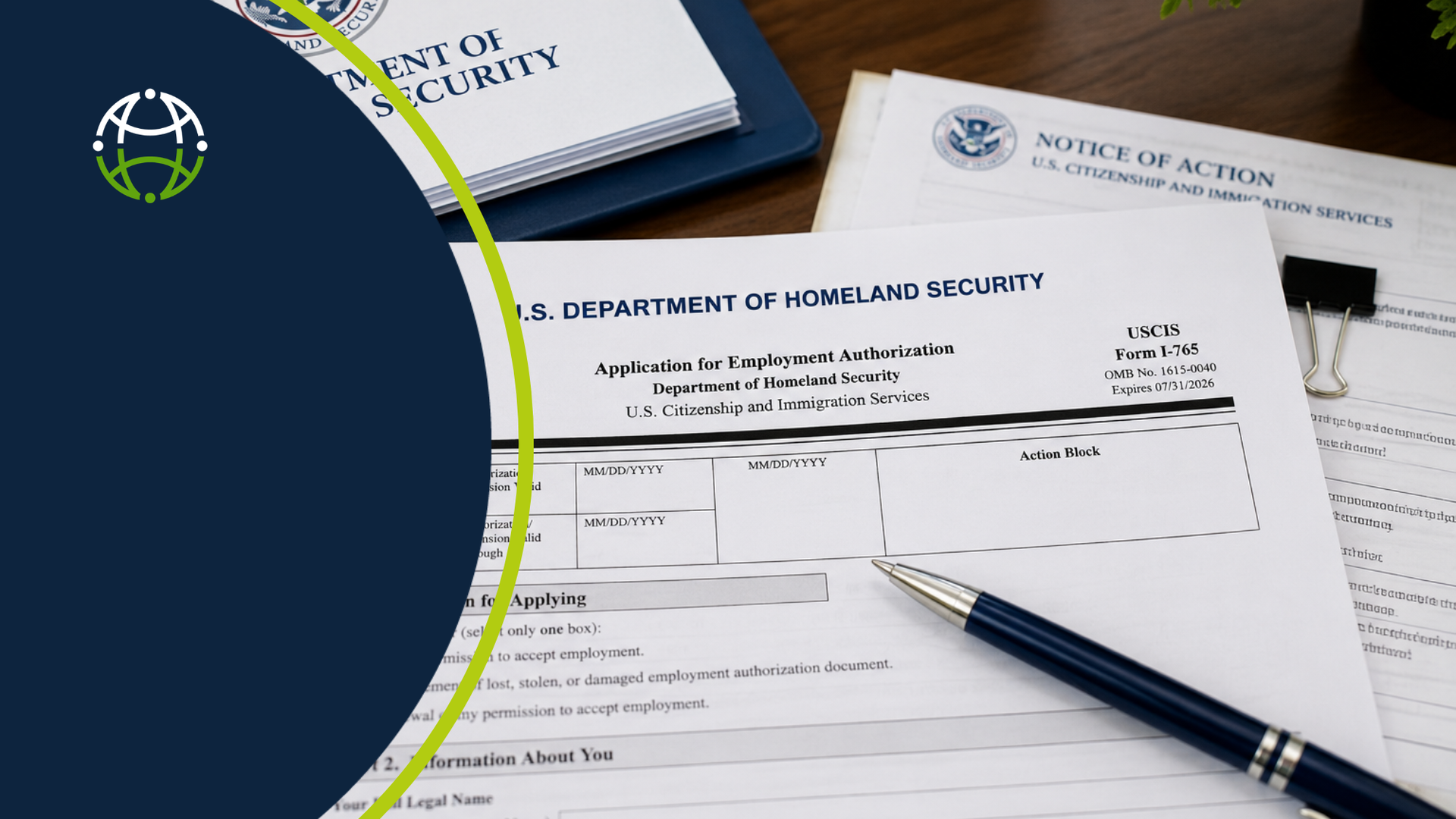
The DHS Final Public Charge Rule may pave the way for visa processing to resume. See what this update means for healthcare organizations recruiting internationally.

Two Midwest health systems strengthened their Med Surg workforce through long-term international nurse recruitment. This case study compares two pipeline strategies at different stages of maturity.
What began as a long-term recruitment strategy has evolved into a robust pipeline supporting four hospitals, with more than 500 nurses placed and another 500+ active in the pipeline.

International hiring is only one part of a successful program. Long-term success depends on how prepared your organization is to support nurses once arrived.