


USCIS Updates Adjustment of Status Guidance for Permanent Residence Applications
June 11, 2026
USCIS Updates Adjustment of Status Guidance
On May 22, 2026, U.S. Citizenship and Immigration Services (USCIS) issued updated guidance regarding Adjustment of Status (AOS), the process that allows eligible individuals already in the United States to apply for permanent residence (a Green Card) without leaving the country.
Individuals seeking permanent residence are encouraged to complete the final stage of the process through consular processing outside of the United States.
- Adjustment of Status remains an available pathway for eligible applicants. However, USCIS has directed officers to grant this only when they determine “extraordinary circumstances” exist.
- Employers utilizing employment-based immigration pathways may want to monitor potential impacts on workforce planning, recruitment timelines, and Green Card sponsorship strategies.
How Is Consular Processing Different from Adjustment of Status?
For employers and candidates, the key distinction is where the final stage of the Green Card process takes place. Adjustment of Status is completed from within the United States, while consular processing requires applicants to complete the final steps through the Department of State's process abroad.
Why Did USCIS Issue This Guidance?
According to USCIS, the updated policy is intended to reinforce what the agency views as the original intent of the law regarding permanent residence processing.
In announcing the change, USCIS stated that temporary visa classifications are intended for specific purposes and limited periods of stay, and that applications for permanent residence should generally be completed through the Department of State's consular process outside the United States.
The agency also indicated that directing more cases through consular processing may allow USCIS to focus resources on other immigration programs and adjudications within its jurisdiction.
*It is important to note that this policy guidance is directed at USCIS Officers when adjudicating an application for adjustment of status. This policy did not abolish the adjustment of status pathway approved by Congress.
What Could This Mean for Employers Utilizing International Talent?
USCIS has not released extensive details regarding how the guidance may be applied across specific employment-based immigration categories. However, employers utilizing these pathways may want to monitor how this guidance could affect future sponsorship strategies.
Employers should also be aware that permanent residence pathways can vary depending on an individual's underlying visa category.
It is also important to recognize that many internationally educated healthcare professionals, including nurses, enter the United States through employment-based immigrant visa pathways such as EB-3, which often involve consular processing already. Adjustment of Status is one pathway that may affect certain individuals who are already living or working in the United States, but it does not represent every international recruitment case.
Dual Intent vs. Non-Dual Intent Visas
This update primarily affects individuals currently in the United States on temporary visas, including:
- Student visas (F-1)
- Temporary work visas, such as H-1B, TN, O-1, and L-1
- Other nonimmigrant visa categories
Not all visa classifications are structured the same way when it comes to pursuing permanent residence.
- Dual intent visas, such as H-1B and O-1 visas, allow individuals to maintain temporary status while also pursuing permanent residence.
- Non-dual intent visas, such as F-1 student visas and TN visas, are generally intended for temporary stays in the United States and may involve additional considerations when pursuing permanent residence.
Even individuals who have maintained valid visa status may be subject to increased review as USCIS applies this updated guidance.
What Should Employers Do Now?
At this stage, the guidance serves as an important reminder that immigration policies and processing practices can evolve. For now, organizations can:
- Review ongoing immigration cases with counsel
- Evaluate potential impacts on workforce planning and recruitment timelines
- Communicate proactively with affected employees and candidates
- Monitor future USCIS guidance and implementation updates
As with many immigration policy changes, the impact of this update will likely become clearer as additional guidance and case decisions emerge.
WWHS Is Monitoring These Changes
WorldWide HealthStaff Solutions continues to monitor immigration policy changes that may affect healthcare workforce planning and international recruitment. As this policy continues to take shape, we'll keep you informed of what it may mean for healthcare employers and candidates.
Featured Blogs
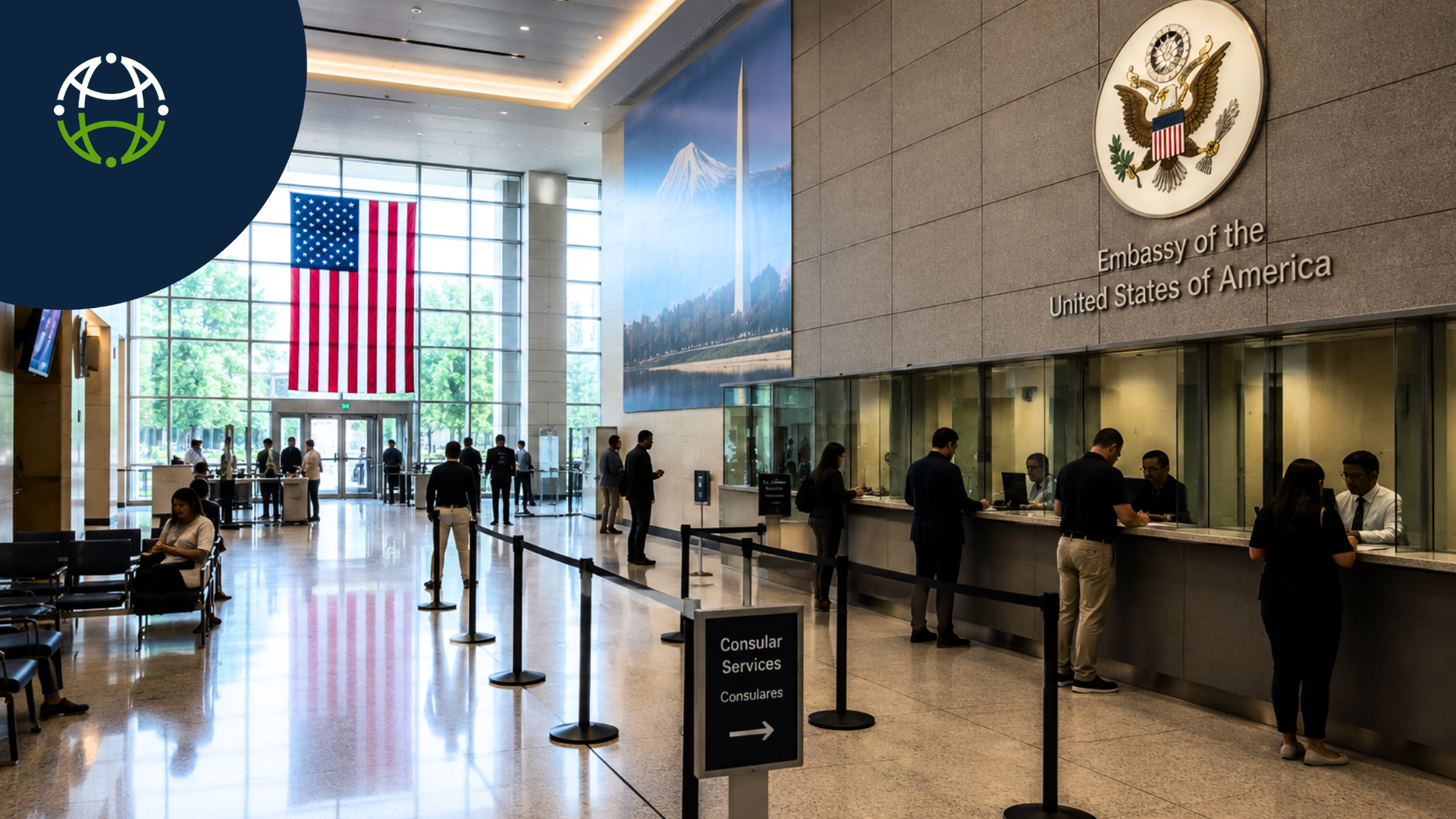
The 75-country immigrant visa pause has been lifted following a federal court ruling. See what this means for healthcare employers.

WorldWide HealthStaff Solutions (WWHS) highlights how international nurse recruitment can help health systems build sustainable nursing pipelines.

Understanding priority dates, retrogression, and Visa Bulletin trends can help put monthly changes into perspective. Get the key takeaways from our webinar.

Global healthcare talent is becoming an increasingly important solution for healthcare workforce gaps across the U.S.
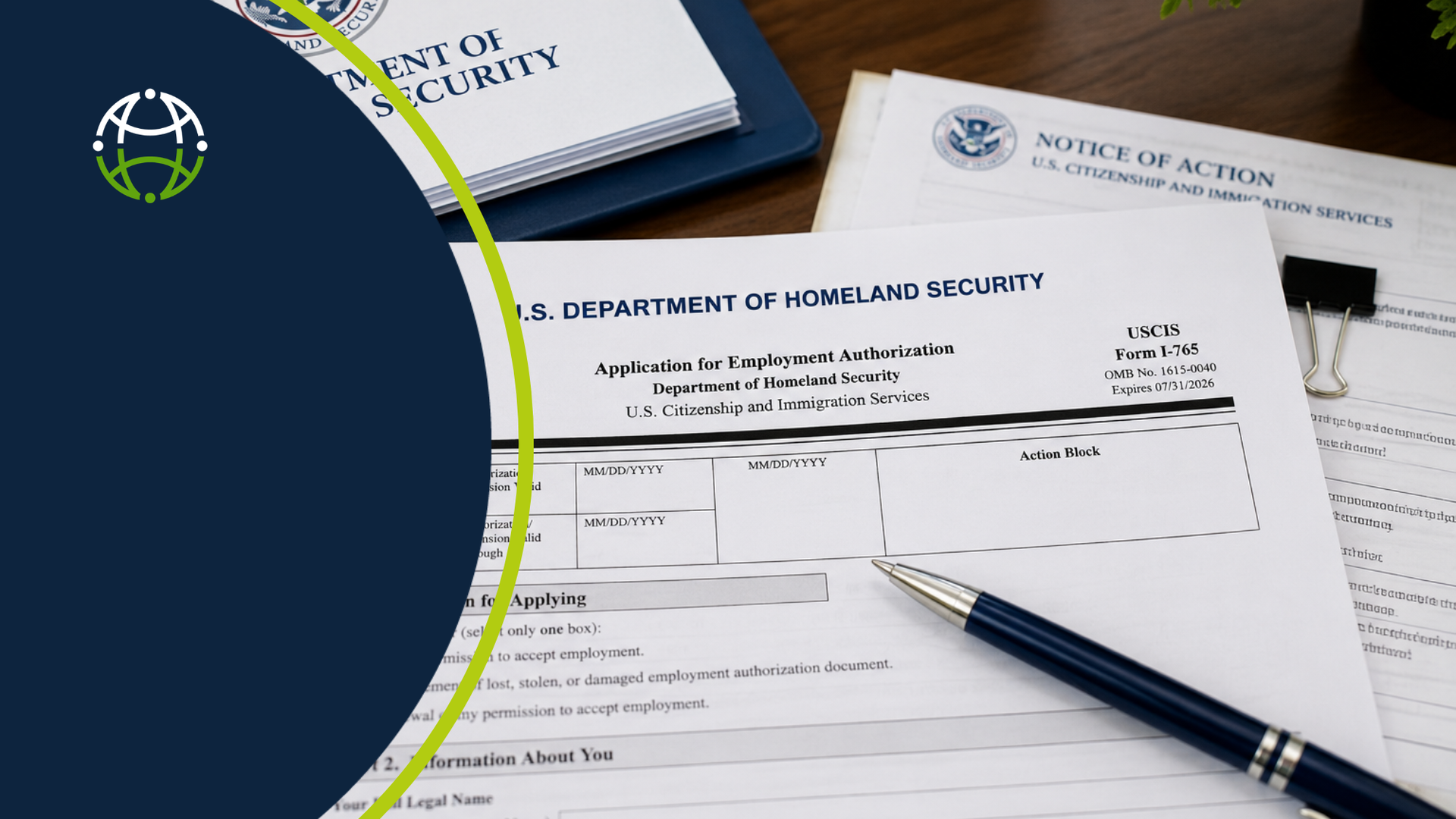
The DHS Final Public Charge Rule may pave the way for visa processing to resume. See what this update means for healthcare organizations recruiting internationally.

Two Midwest health systems strengthened their Med Surg workforce through long-term international nurse recruitment. This case study compares two pipeline strategies at different stages of maturity.
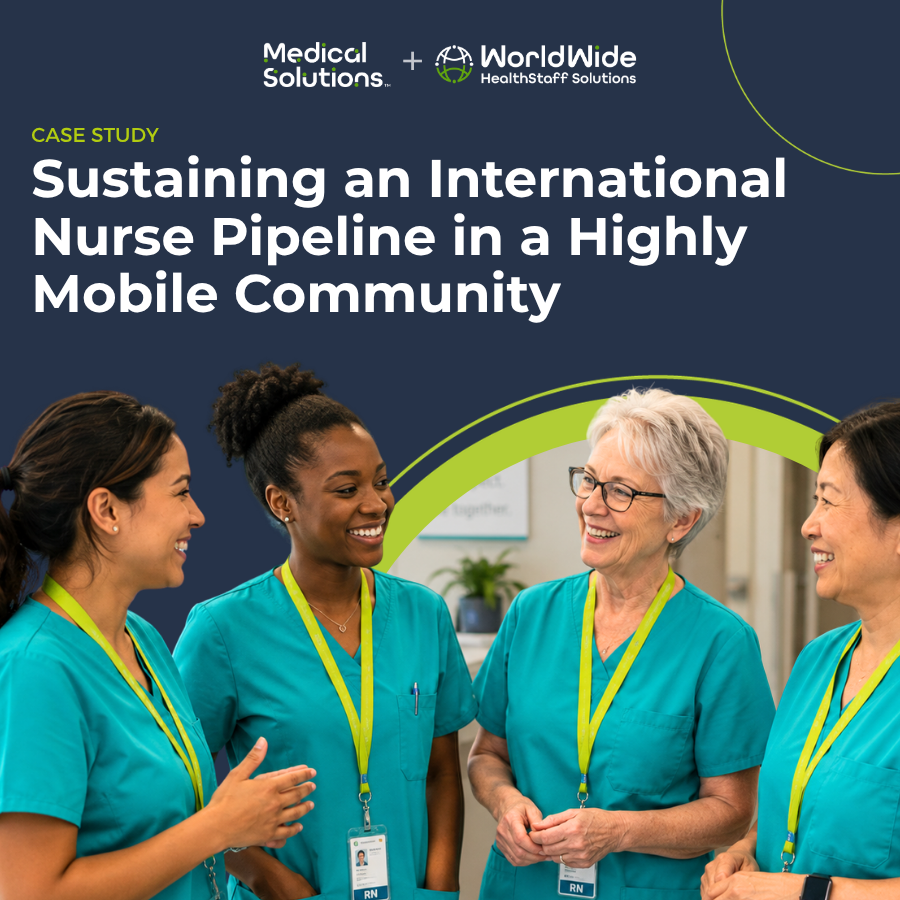
What began as a long-term recruitment strategy has evolved into a robust pipeline supporting four hospitals, with more than 500 nurses placed and another 500+ active in the pipeline.

International hiring is only one part of a successful program. Long-term success depends on how prepared your organization is to support nurses once arrived.

WorldWide HealthStaff Solutions is helping organizations fill critical staffing gaps and support patient care with international direct hire recruitment.

HRSA has updated English language proficiency requirements for internationally educated clinicians. Learn what changed and how it impacts recruitment timelines & planning.