



H-1B Recruitment Is Worth Another Look for Nonprofit Hospitals
November 5, 2026
Quick summary: Recent court rulings have paused enforcement of the $100,000 H-1B fee, giving nonprofit hospitals a reason to revisit this recruitment pathway. Qualifying cap-exempt employers can also file year-round without entering the annual H-1B lottery.
H-1B Recruitment Is Worth Another Look for Nonprofit Hospitals
H-1B recruitment has faced considerable uncertainty over the past year, leaving many questioning whether this pathway remains a viable option.
- September 2025: A presidential proclamation introduced an additional $100,000 payment requirement for certain H-1B petitions.
- June-September 2026: Federal court rulings challenged the fee and blocked its enforcement.
- November 2026: Enforcement of fee remains paused, although the Department of Homeland Security (DHS) has indicated it may resume collection if the order is lifted.
This legal picture is still developing. Still, for qualifying nonprofit hospitals, now is a reasonable time to revisit H-1B recruitment, particularly for specialized clinical roles that have been difficult to fill through other visa pathways.
What Should Nonprofit Hospitals Know About H-1B Eligibility and Fees?
Currently, employers can file eligible H-1B petitions without paying the additional $100K fee, and those applications can still be approved. However, the fee hasn't been permanently eliminated and could return depending on future legal developments.
Beyond the fee, some nonprofit hospitals may qualify for cap-exempt H-1B sponsorship, meaning they can hire eligible international clinicians without going through the annual H-1B lottery. Under existing H-1B rules, cap-exempt employers include:
- Institutions of higher education
- Qualifying nonprofits affiliated with institutions of higher education, including hospitals
- Nonprofit research organizations
- Government research organizations
Nonprofit status alone doesn't guarantee cap exemption. Employers must meet specific eligibility requirements, which should be confirmed with immigration counsel.
The clinical position must also qualify for H-1B sponsorship. Generally, that means the role requires specialized knowledge and at least a bachelor's degree, or its equivalent, in a directly related field. Clinicians must also meet applicable education and licensing requirements.
When Does H-1B Recruitment Make Sense for Hospitals?
H-1B recruitment may be a viable option for certain registered nurses (RNs), medical technologists and medical laboratory scientists (MTs/MLS), and clinical educators.
Not every clinical position qualifies, however. For RN positions, hospitals may need to demonstrate that at least 80% of nurses on a specific unit hold a bachelor's degree in nursing (BSN) or an associate degree in nursing (ASN) with six years of experience. Eligibility also depends on the position's responsibilities and educational requirements.
For qualifying cap-exempt employers, H-1B has several advantages:
- No annual lottery. Eligible hospitals can sponsor qualifying clinicians without competing for a limited number of H-1B visas.
- Year-round filing. Hospitals can submit petitions throughout the year rather than waiting for the annual filing window.
- Potential fee savings. A proposed $103,265 fee for H-1B petitions would not apply to cap-exempt employers if implemented as currently written.
How Does H-1B Fit Into a Broader Recruitment Strategy?
For hospitals already recruiting international nurses through the EB-3 (green card) visa pathway, H-1B may offer an additional way to fill eligible clinical positions sooner.
- H-1B for eligible clinical vacancies: With an estimated recruitment timeline of six to nine months, H-1B may help fill certain RN, MT/MLS, and clinical educator positions sooner.
- EB-3 for long-term workforce planning: As a permanent immigration pathway, EB-3 supports broader nurse recruitment needs. Timelines depend on visa availability and the clinician's country of birth, making advance planning important.
Using both pathways allows hospitals to plan for future nursing needs without putting eligible near-term vacancies on hold.
How Should Hospitals Get Started With H-1B Recruitment?
If your hospital paused H-1B recruitment plans during the recent uncertainty, this is a reasonable time to revisit them. WorldWide HealthStaff Solutions (WWHS) can help you determine which clinical roles may qualify for H-1B and work with immigration counsel to assess your cap-exempt eligibility.
With more than 25 years of international direct hire recruitment experience, WWHS has supported more than 12,000 international healthcare professionals across 2,500-plus facilities.
That experience extends to helping hospitals navigate different immigration pathways based on their workforce needs. In one longstanding client partnership, WWHS has placed 517 nurses, including 22 through H-1B.
As an international direct hire recruitment partner, WWHS can help your team evaluate which pathway, or combination of pathways, fits your workforce goals.
*This article is for general informational purposes only and doesn't constitute legal advice. Consult immigration counsel to confirm current requirements and your organization's eligibility.
Featured Blogs

Get a closer look at the FY2027 visa outlook, what shifting timelines mean for international hiring, and where to focus your workforce planning efforts.
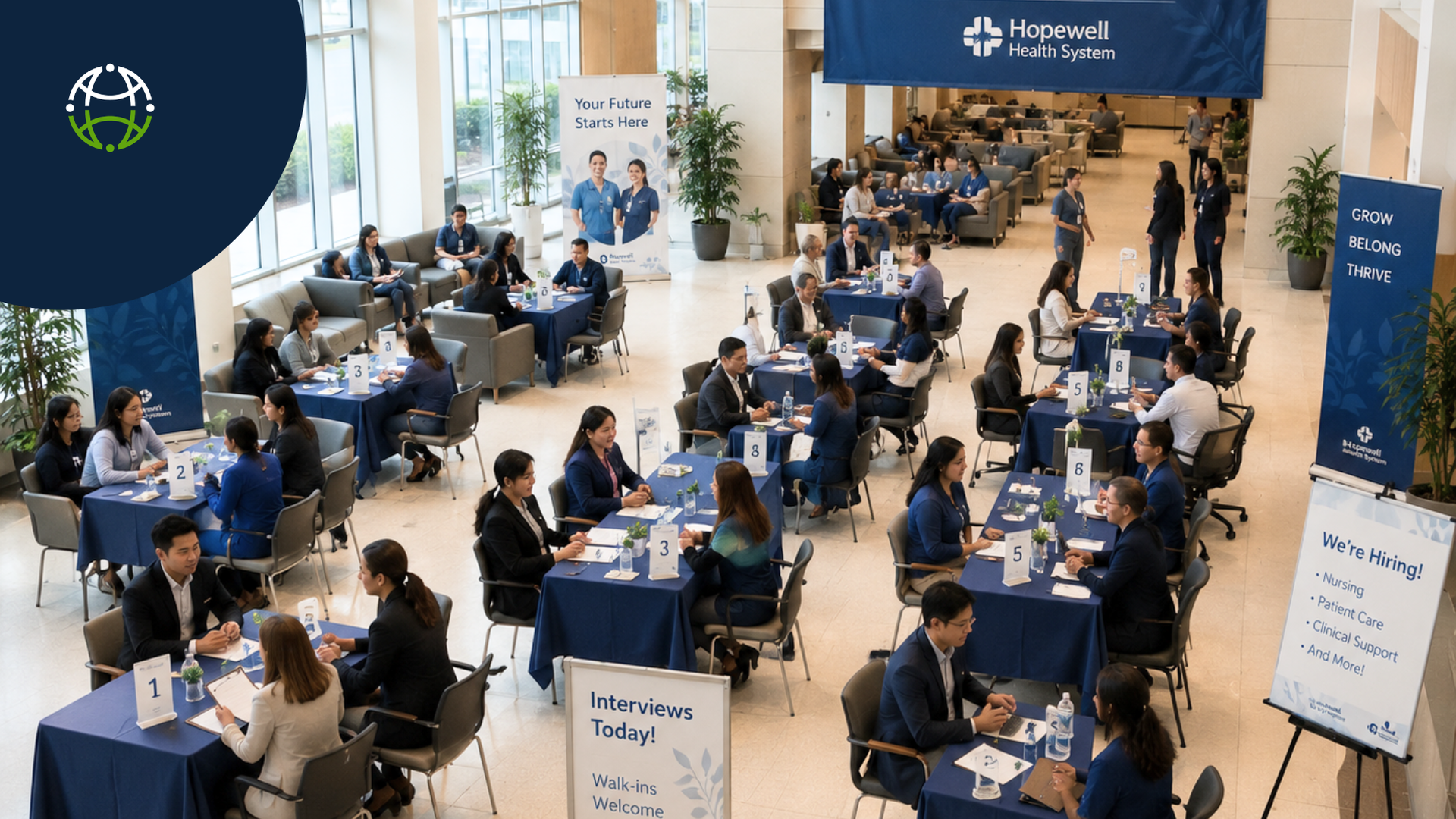
Inside WWHS's international nurse recruitment events: how they work and what health systems can realistically expect.
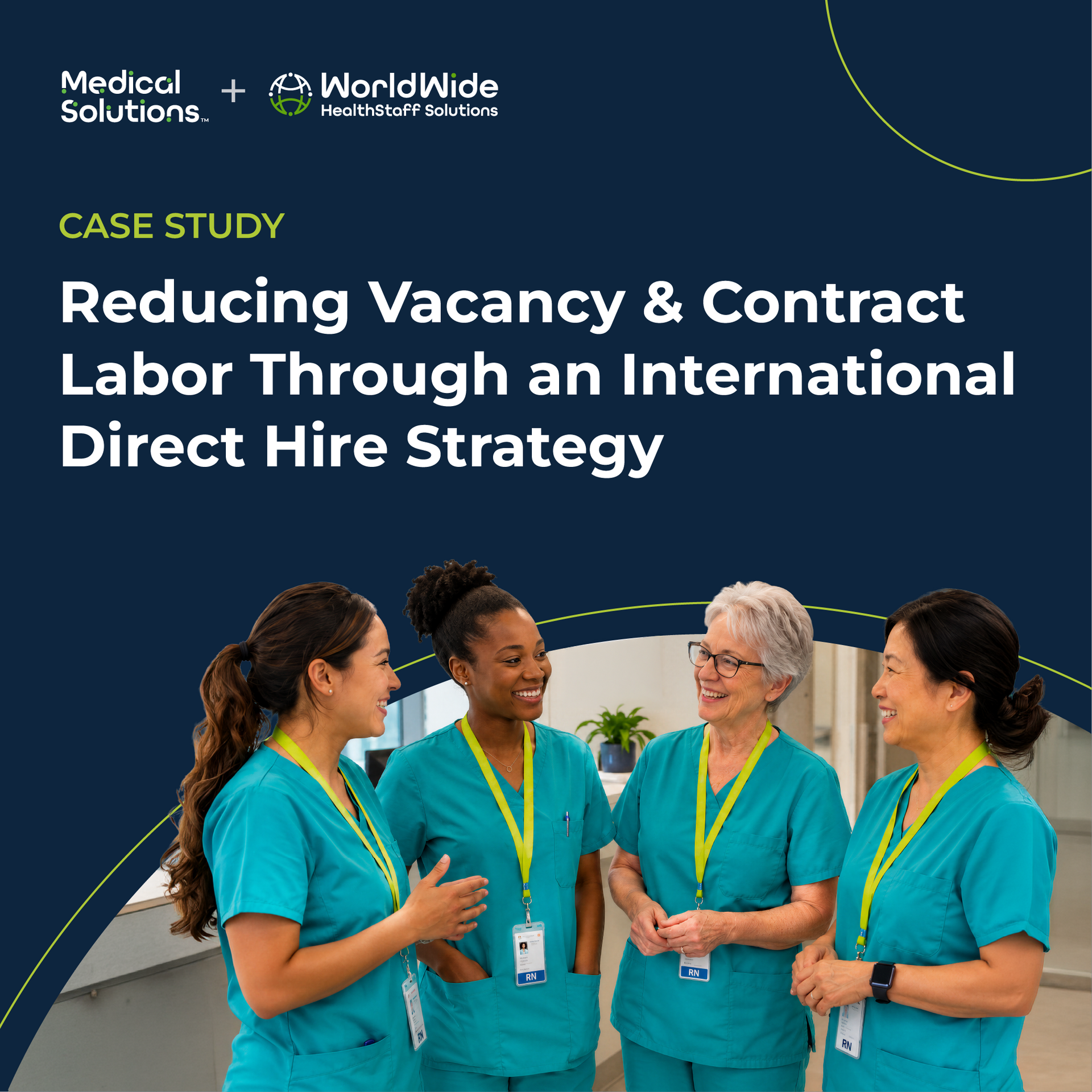
A regional nonprofit health system was working toward three clear workforce goals: improve clinician retention, reduce contract labor spend, and lower vacancy.

Three international clinicians reflect on their journeys to the U.S. and the careers, milestones, and new opportunities that have followed.
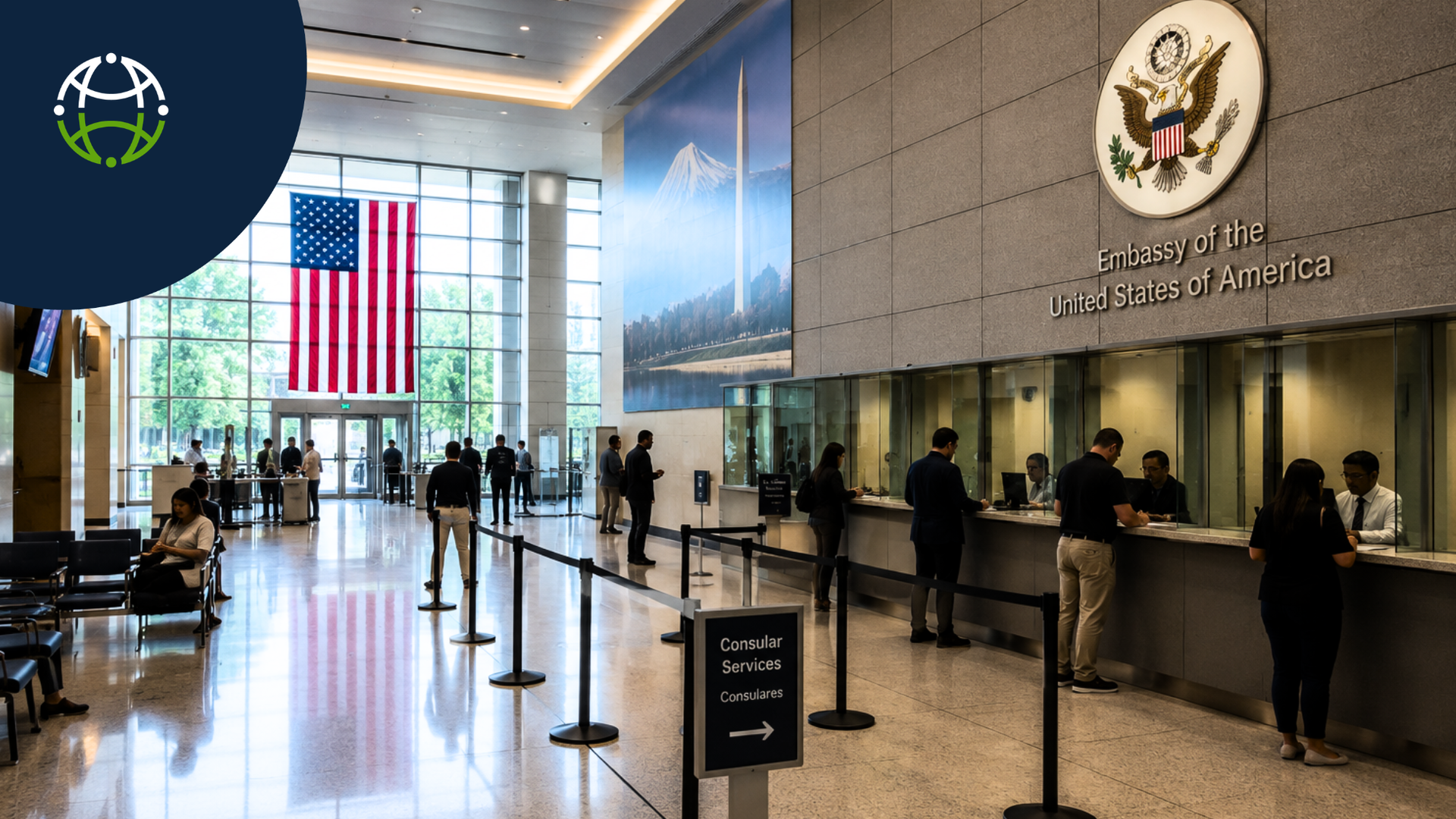
The 75-country immigrant visa pause has been lifted following a federal court ruling. See what this means for healthcare employers.

WorldWide HealthStaff Solutions (WWHS) highlights how international nurse recruitment can help health systems build sustainable nursing pipelines.

Understanding priority dates, retrogression, and Visa Bulletin trends can help put monthly changes into perspective. Get the key takeaways from our webinar.

Global healthcare talent is becoming an increasingly important solution for healthcare workforce gaps across the U.S.
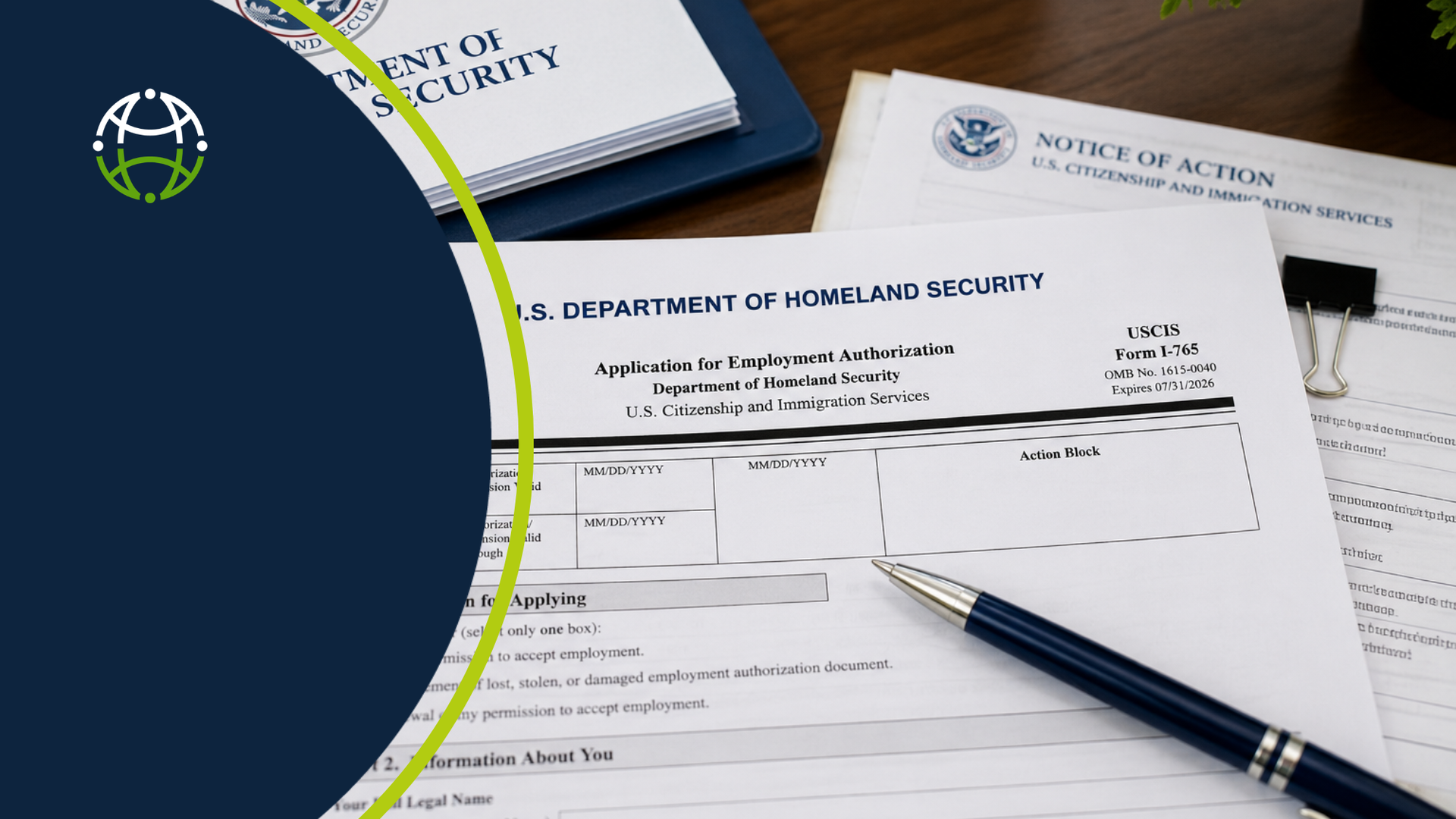
The DHS Final Public Charge Rule may pave the way for visa processing to resume. See what this update means for healthcare organizations recruiting internationally.

Two Midwest health systems strengthened their Med Surg workforce through long-term international nurse recruitment. This case study compares two pipeline strategies at different stages of maturity.