


DOL Proposes Eliminating Schedule A for International Nurses: What Could Change
November 19, 2026
The U.S. Department of Labor (DOL) has proposed eliminating Schedule A, a longstanding designation that allows healthcare employers to bypass the traditional PERM labor-market test when sponsoring qualified international registered nurses (RNs) for permanent employment.
Published November 17, 2026, the proposed rule would require employers who recruit applicants for Schedule A occupations to obtain a DOL labor certification before filing an immigrant petition. This would add additional steps and new requirements to the sponsorship process.
For now, Schedule A remains in effect, and healthcare employers can continue to sponsor international nurses under current requirements.
While the proposal raises important questions about the process requirements for future international nurse recruitment, there's no immediate change to the current process. Here's a closer look at what's being proposed and how it could affect employers.
What Is Schedule A?
Schedule A is a designation established by the DOL for certain occupations that have historically experienced shortages of qualified, willing and able U.S. workers, including professional nurses and physical therapists.
For healthcare employers, it’s a more streamlined pathway for sponsoring international nurses for employment-based green cards.
Under the current process, employers are not required to obtain a labor certification from U.S. DOL prior to submitting an immigration petition with USCIS. The application for labor certification is submitted simultaneously with the immigration petition for an alien worker to USCIS for adjudication.
Because employers who recruit applicants for Schedule A occupations do not currently participate in the PERM process, this has allowed healthcare organizations to build long-term nursing pipelines without some of the additional steps required for other occupations.
What Would Change Under the Proposal?
If finalized, the proposal would eliminate Schedule A and require healthcare employers sponsoring international nurses to complete the PERM labor certification process for a professional occupation.
That would introduce several additional steps:
- Recruiting U.S. nurses: Hospitals would need to formally advertise open nursing positions and determine whether qualified U.S. nurses are available before moving forward with immigration sponsorship for international candidates.
- Documenting recruitment efforts: Hospitals would need to maintain records of their recruitment activities, including applications received, applicant evaluations, and reasons why U.S. applicants were not hired.
- Getting DOL approval: Before filing an immigrant petition with USCIS, hospitals would need to submit an application for labor certification and provide their recruitment results to the Department of Labor. The application for a labor certification from the U.S. DOL confirms that the employer did not receive any application from a qualified, willing and able U.S. Worker.
- Meeting additional worker protections: The proposal would also introduce stricter rules around recent layoffs, expand how employers notify U.S. workers about sponsored positions, and require more detailed record-keeping.
What Could This Mean for Healthcare Employers?
For hospitals and health systems that rely on international recruitment, the proposed changes could affect how they plan and manage future hiring.
- Additional steps in the sponsorship process: New recruitment requirements and DOL certification would add steps before an immigrant petition can be filed, though these may not necessarily affect nurses’ arrival timelines.
- More administrative responsibilities: HR and recruitment teams could face greater documentation, applicant evaluation, and compliance requirements.
.
- Greater workforce planning needs: Organizations may need to account for these additional steps when forecasting staffing needs and building international nursing pipelines.
While international direct hire would remain an option, these changes could require earlier planning and closer coordination between employers and recruitment partners.
What Happens Next?
The DOL is accepting public comments on the proposal through January 19, 2027. After reviewing the feedback, the department could revise the proposal, move forward with a final rule, or decide not to implement the changes.
In the meantime, healthcare organizations can continue sponsoring international nurses under current requirements. For employers planning their 2027 hiring needs, now is a good time to move forward with recruitment and get qualified petitions filed ahead of any potential changes. Staying connected with recruitment partners can also help organizations prepare for what may come next.
Healthcare organizations interested in providing feedback can review the full proposed rule in the Federal Register and submit comments through January 19, 2027.
How WWHS Is Supporting Healthcare Partners
At WorldWide HealthStaff Solutions (WWHS), we know how much planning goes into building a reliable nursing workforce, especially when international recruitment is part of the strategy. We're closely following the proposal and working to understand what potential changes could mean for our healthcare partners.
As the process moves forward, we'll continue sharing updates and guidance, so you have the information you need to plan with confidence.
Have questions about how the proposal could affect your international recruitment plans? Connect with our team to discuss your current pipeline and future workforce needs.
Featured Blogs

WorldWide HealthStaff Solutions has partnered with Books For Africa to send approximately 24,000 books to Zimbabwe.

Recent court rulings have put H-1B recruitment back in focus for nonprofit hospitals seeking to fill specialized clinical positions.

Get a closer look at the FY2027 visa outlook, what shifting timelines mean for international hiring, and where to focus your workforce planning efforts.

Inside WWHS's international nurse recruitment events: how they work and what health systems can realistically expect.
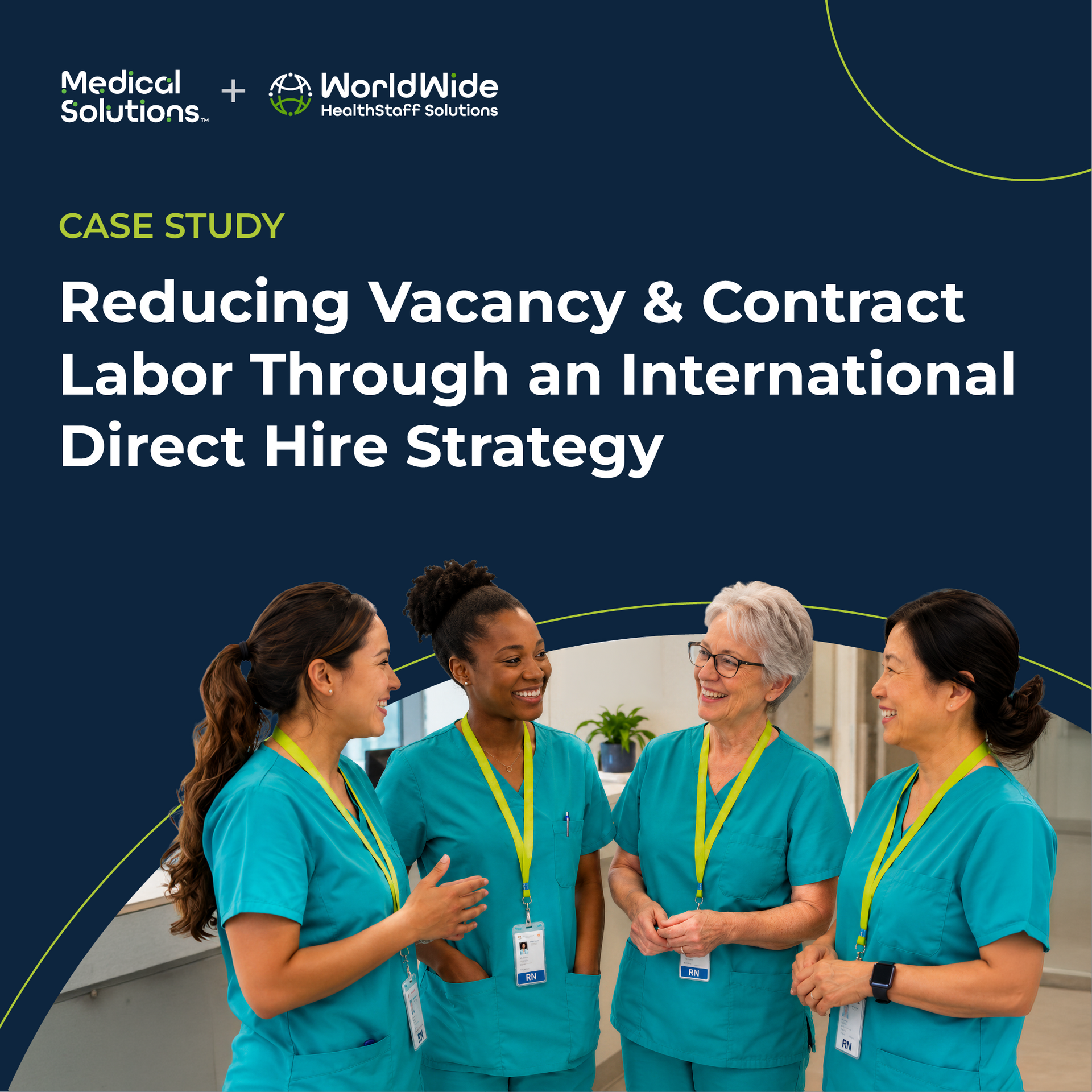
A regional nonprofit health system was working toward three clear workforce goals: improve clinician retention, reduce contract labor spend, and lower vacancy.
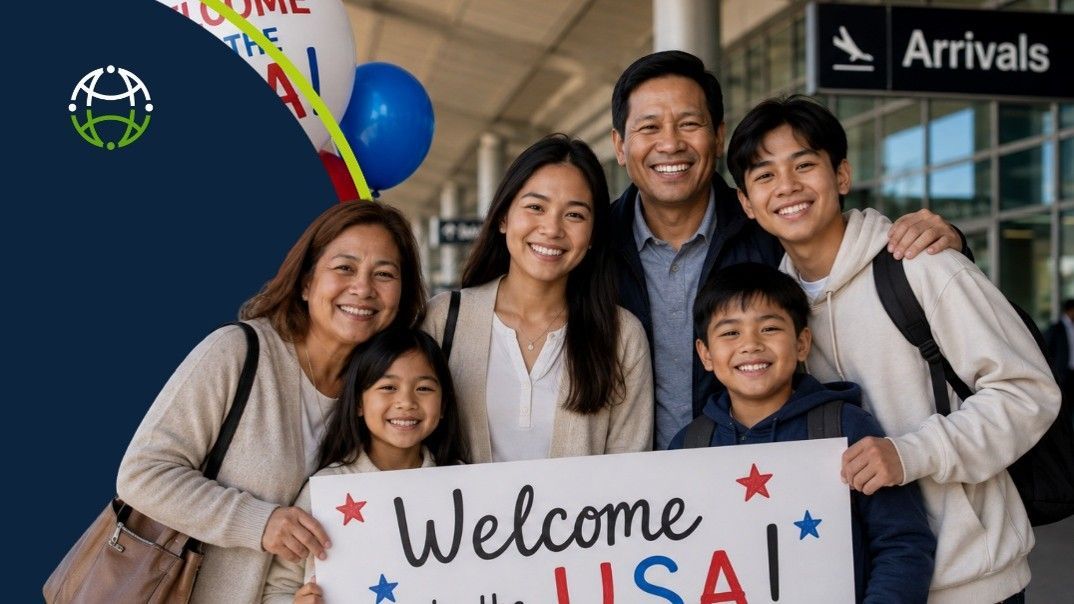
Three international clinicians reflect on their journeys to the U.S. and the careers, milestones, and new opportunities that have followed.
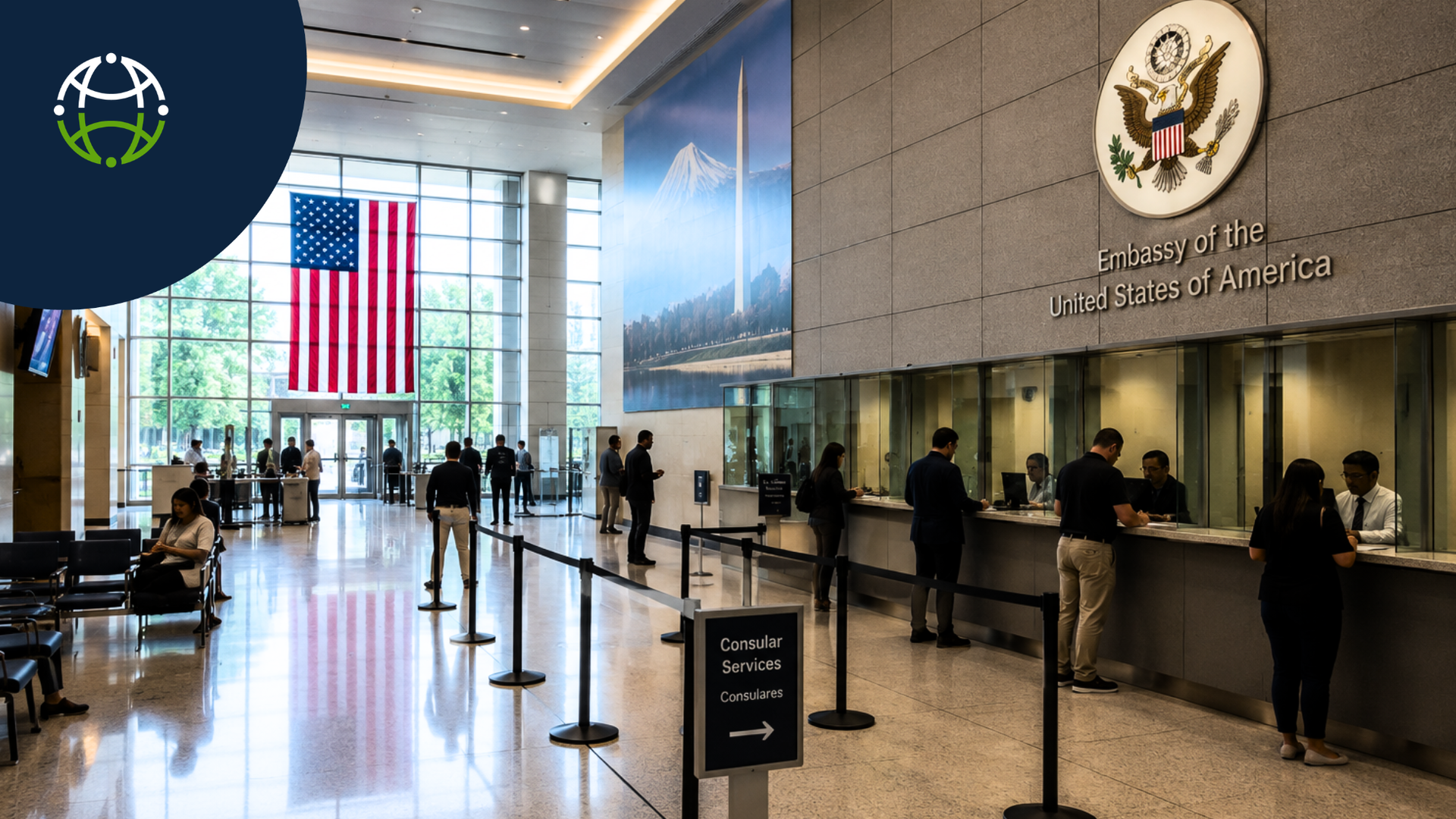
The 75-country immigrant visa pause has been lifted following a federal court ruling. See what this means for healthcare employers.

WorldWide HealthStaff Solutions (WWHS) highlights how international nurse recruitment can help health systems build sustainable nursing pipelines.

Understanding priority dates, retrogression, and Visa Bulletin trends can help put monthly changes into perspective. Get the key takeaways from our webinar.

Global healthcare talent is becoming an increasingly important solution for healthcare workforce gaps across the U.S.