


What Health Systems Are Discovering About International Direct Hire
April 3, 2026
What Health Systems Are Discovering About International Direct Hire
International direct hire is not new, but what’s changing is how health leaders are approaching it.
Rather than viewing global recruitment as a situational solution, explored when domestic recruitment cannot fully meet demand, more and more health organizations are integrating it as a defining component of their long-term healthcare workforce strategy.
The shift is subtle but important. It’s less about reactive staffing and more about intentional design, expanding access to qualified talent, reinforcing experience depth, and supporting more predictable labor models.
Here is what many are discovering.
Global Talent Is No Longer Supplemental, It’s Structural
Domestic recruitment has made real progress in recent years. Graduation levels have risen, and investment in training has been significant.
At the same time, workforce supply is largely keeping pace with projected openings rather than outpacing them. This reality has prompted more health leaders to look beyond U.S. borders as part of a long-term healthcare workforce strategy, and what they are discovering is that global talent is not a marginal supply source.
Between 2023 and 2025, a total of 138,536 internationally educated nurses passed the NCLEX. In 2025 alone, 37,237 international candidates successfully completed the exam, an ~149% increase compared to pre-pandemic levels in 2019.
This is not a supplemental layer. It is a structural contributor to workforce supply.
Cost Stability Comes From Permanence
It’s common to focus first on the upfront costs associated with international direct hire, particularly immigration and onboarding expenses.
A more useful comparison, however, is not international versus domestic hire, or even permanent versus travel in isolation. It’s stability versus volatility. The real financial strain often stems from:
- Extended vacancies
- Overtime fatigue
- Premium labor
- Repeated first-year turnover
Replacing one bedside RN can cost between $50,000 and $73,000. When those cycles repeat across units, the impact extends beyond recruitment expense and begins to affect continuity and morale.
Permanent international hires join as full-time employees, and over time, organizations see:
- Less reliance on reactive staffing
- More consistency within units
- Greater budget predictability
The value of international direct hire isn’t simply in filling a position. It’s in reducing churn and creating a steadier footing across the workforce.
Experience Mix Matters as Much as Headcount
Workforce planning often begins with headcount. It doesn’t always account for how experience is distributed within and across teams.
Medical Solutions’ 2025 generational workforce research points to a widening “experience cliff.” Nearly 40% of late-career RNs plan to retire or leave the profession within the next five years, and 85% of clinicians over age 45 report more than 10 years of experience.
The result is a gradual shift in cumulative clinical experience.
WorldWide HealthStaff Solutions’ international candidate pool includes nurses averaging more than nine years of experience, with many bringing 8 to 15 years of bedside and specialty practice. These clinicians are new to your organization, but they are not new to nursing.
For leaders shaping healthcare workforce strategy, maintaining the right experience mix can be just as important as closing vacancies. International direct hire supports that balance in ways that are sometimes overlooked at first glance.

International Workforce Planning is Less Complex Than It Sounds
International direct hire is often perceived as risky or unpredictable, largely because it involves immigration. In practice, the process is more structured and well-established.
The EB-3 permanent residency pathway has been in place for decades, and approval rates for properly filed petitions remain consistently strong. While timelines vary by country of origin and visa bulletin movement, they typically range from 9 to 24 months and can be planned for accordingly.
When recruitment, immigration, onboarding, and integration are coordinated thoughtfully, international direct hire functions as a steady pipeline solution.
The Takeaway
For many health systems, international hire is becoming an intentional part of long-term healthcare workforce strategy. It expands access to talent, reinforces experience depth, and supports more predictable labor models. When implemented thoughtfully, global talent contributes to durable workforce stability.
If you’re considering how global talent could fit into your workforce plans,
WorldWide HealthStaff Solutions can help you evaluate the right approach for your organization.
Featured Blogs
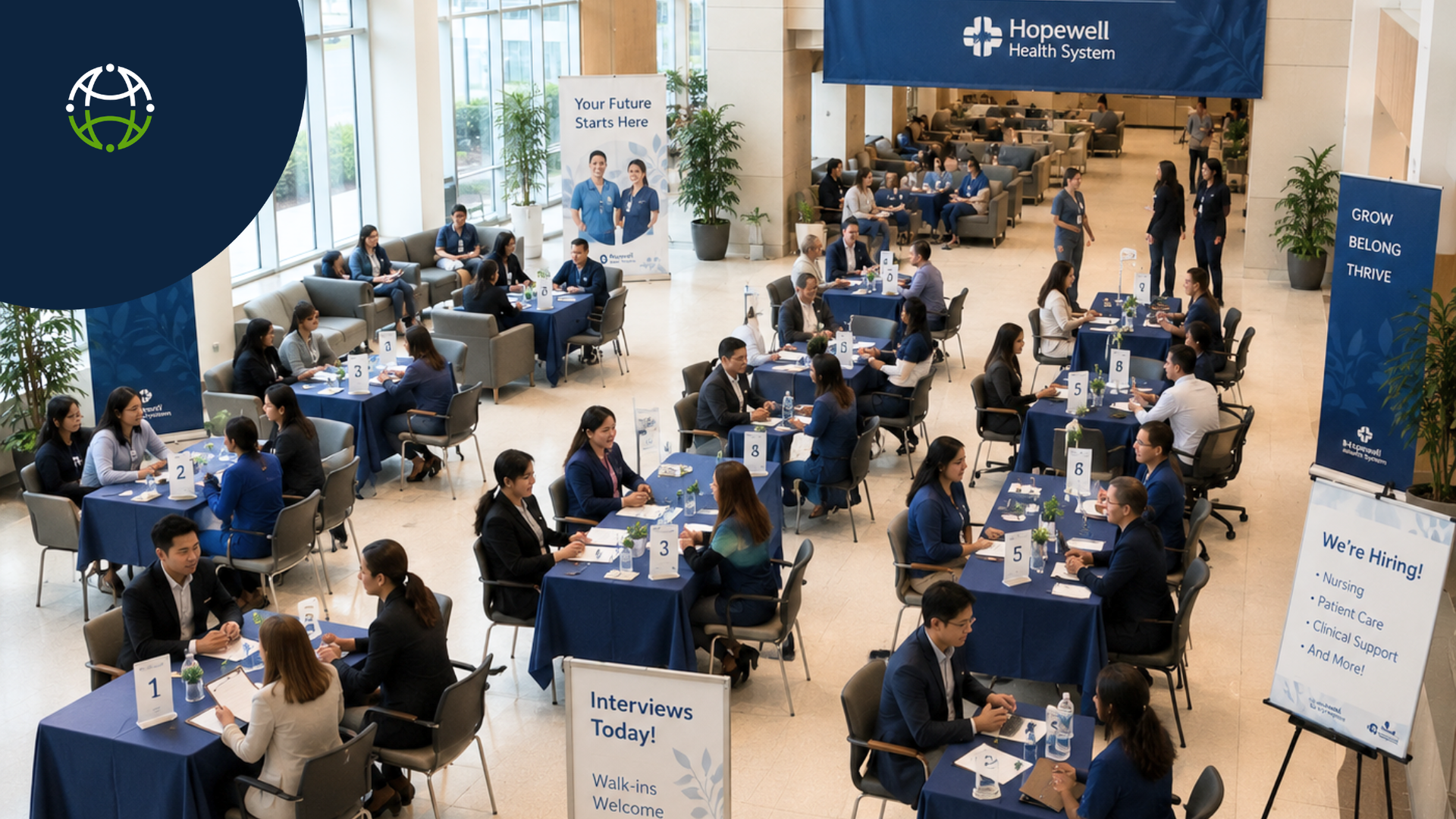
Inside WWHS's international nurse recruitment events: how they work and what health systems can realistically expect.
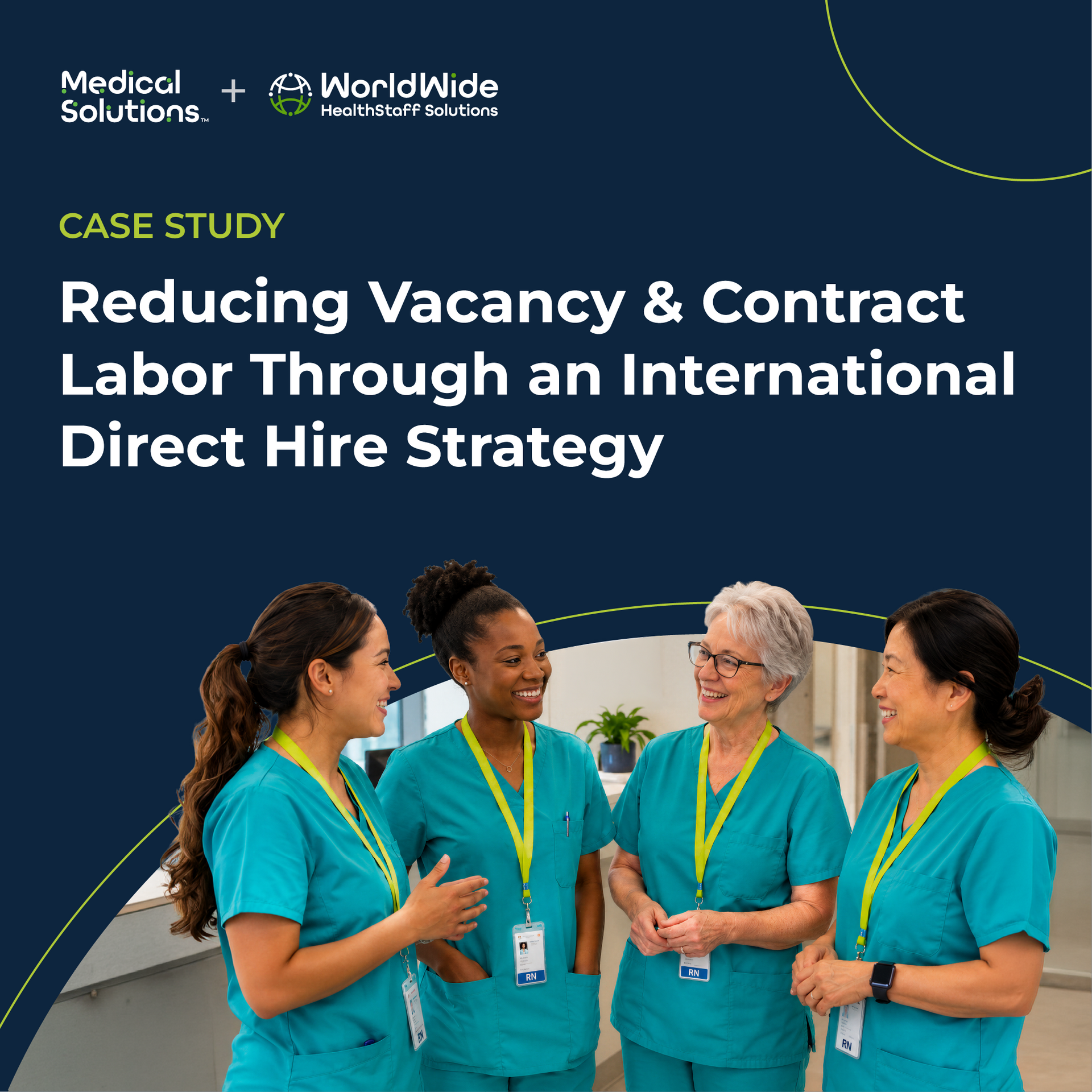
A regional nonprofit health system was working toward three clear workforce goals: improve clinician retention, reduce contract labor spend, and lower vacancy.

Three international clinicians reflect on their journeys to the U.S. and the careers, milestones, and new opportunities that have followed.
The 75-country immigrant visa pause has been lifted following a federal court ruling. See what this means for healthcare employers.

WorldWide HealthStaff Solutions (WWHS) highlights how international nurse recruitment can help health systems build sustainable nursing pipelines.

Understanding priority dates, retrogression, and Visa Bulletin trends can help put monthly changes into perspective. Get the key takeaways from our webinar.

Global healthcare talent is becoming an increasingly important solution for healthcare workforce gaps across the U.S.
The DHS Final Public Charge Rule may pave the way for visa processing to resume. See what this update means for healthcare organizations recruiting internationally.

Two Midwest health systems strengthened their Med Surg workforce through long-term international nurse recruitment. This case study compares two pipeline strategies at different stages of maturity.
What began as a long-term recruitment strategy has evolved into a robust pipeline supporting four hospitals, with more than 500 nurses placed and another 500+ active in the pipeline.