



Department of Labor Proposes Prevailing Wage Changes Affecting Healthcare Recruitment
May 21, 2026
Under Review:
Proposed Prevailing Wage Rule
Last Updated June 1st, 2026
On March 27, 2026, the U.S. Department of Labor issued a proposed prevailing wage rule that could affect employment-based immigration pathways commonly used in healthcare recruitment, including H-1B and PERM-related programs.
If finalized, the proposal will increase wage requirements for certain sponsored healthcare positions and influence how employers approach recruitment, budgeting, and long-term workforce planning.
What the Proposed Wage Rule Would Do
If finalized, the proposed rule revising prevailing wage methodology would:
- Update Prevailing Wage Calculations: Revise how prevailing wage levels are determined for certain employment-based immigration programs.
- Impact H-1B and PERM-Related Roles: Apply to temporary and permanent foreign labor pathways commonly used in healthcare recruitment.
- Increase Wage Floors: Raise required wage levels for some sponsored healthcare positions.
- Affect Employer Costs and Planning: Influence recruitment budgets, hiring strategies, and workforce planning efforts.
According to the Department of Labor, the proposal is intended to strengthen wage protections for both U.S. and foreign workers.
What This Could Mean for Healthcare Employers
Many healthcare organizations already operate within tight labor and reimbursement environments, especially in rural and mid-sized markets where local wage conditions may differ from national averages.
Potential concerns include:
- Higher Wage Requirements: Some employers may face significant increases in prevailing wage requirements for roles filled through employment-based immigration pathways.
- Staffing and Hiring Challenges: Increased labor costs could make it more difficult for some facilities to recruit and retain healthcare professionals.
- Pressure on Rural and Mid-Sized Systems: Smaller healthcare organizations may be disproportionately impacted due to tighter operating margins and limited staffing flexibility.
- Workforce Stability Concerns: The proposed changes could contribute to reduced hiring and additional strain on healthcare staffing in already underserved areas.
*Clarifying a Common Misconception: The assumption that international workers are paid less than U.S. workers is inaccurate. International clinicians are generally required to meet existing wage and labor standards. International clinicians are not hired at a lower-cost to U.S. workers, but at a competitive wage market rate.
Potential Impact on Rural and Mid-Sized Healthcare Systems
Many rural and mid-sized healthcare organizations already face workforce shortages, limited applicant pools, and financial pressures. Significant increases to prevailing wage requirements may not always align with local economic conditions or reimbursement structures.
Healthcare employers may want to evaluate how the proposal could affect:
- Immigration-based recruitment
- Workforce planning and budgeting
- Staffing stability in shortage areas
- Patient access to care
Public Comment Period Has Closed
The public comment period for the proposed prevailing wage rule closed on May 26, 2026. During this period, healthcare employers had the opportunity to submit feedback regarding the potential impact of the proposal on staffing, recruitment, and patient access to care.
The Department of Labor is currently reviewing submitted comments and evaluating the proposal. No final rule has been issued at this time.
Healthcare organizations that may be affected by the proposal should continue monitoring developments and assess how potential changes to prevailing wage requirements could affect workforce planning, recruitment strategies, and budgeting efforts.
WWHS Continues to Monitor This Proposal
WorldWide HealthStaff Solutions will continue monitoring developments related to the proposed prevailing wage update and evaluating the potential implications for staffing operations, particularly in rural and underserved communities. For any questions, please contact us here.
Featured Blogs
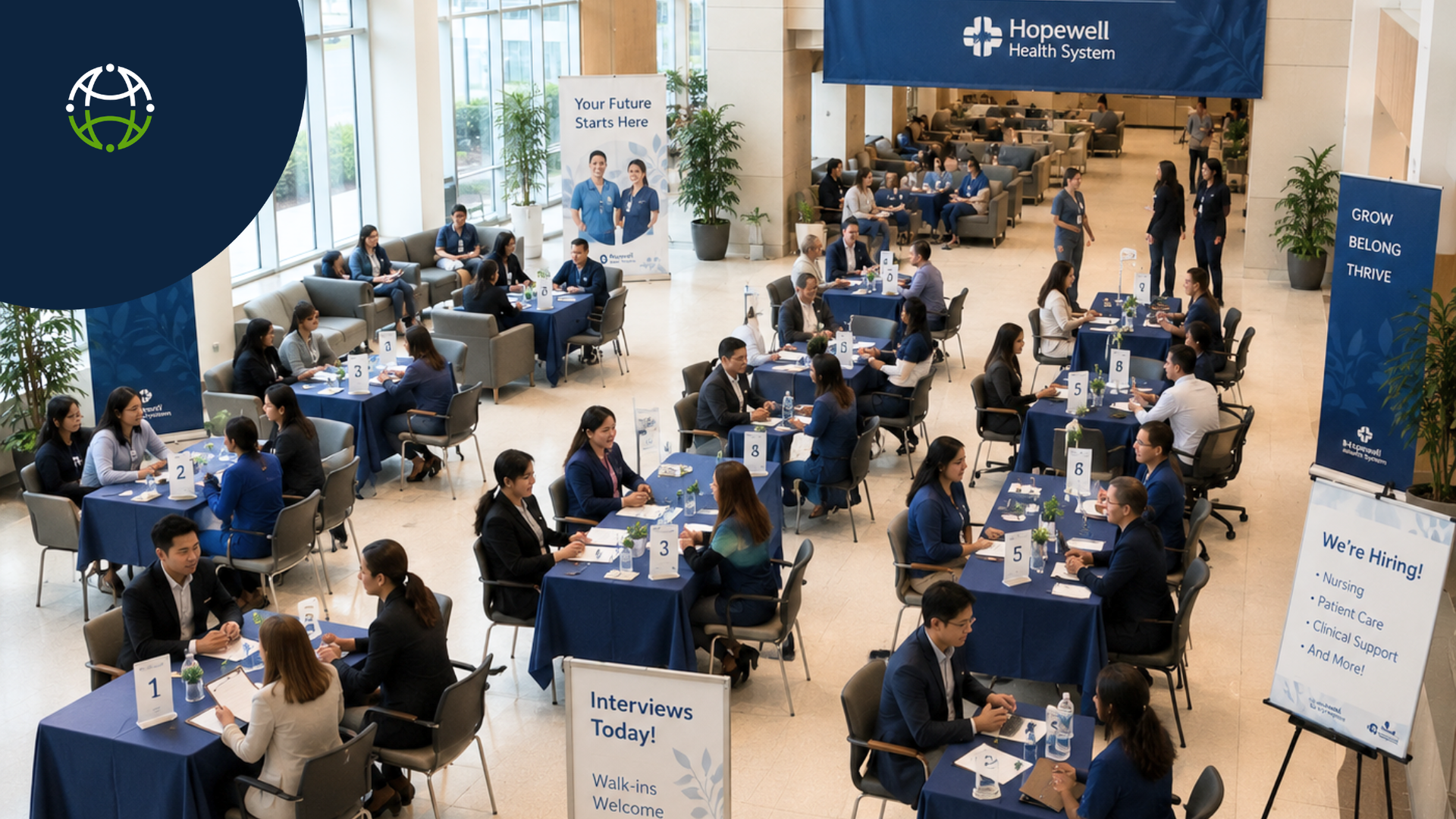
Inside WWHS's international nurse recruitment events: how they work and what health systems can realistically expect.
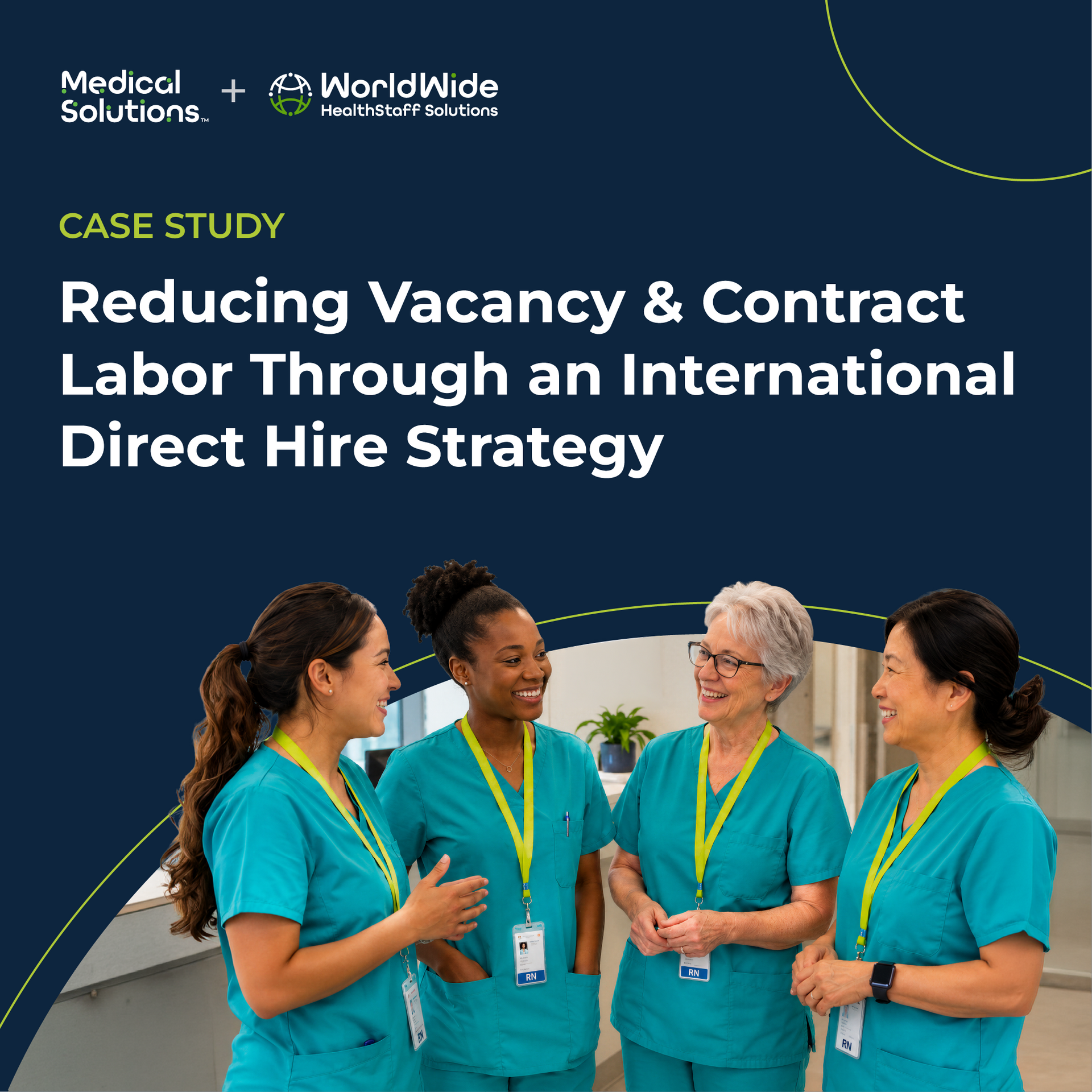
A regional nonprofit health system was working toward three clear workforce goals: improve clinician retention, reduce contract labor spend, and lower vacancy.

Three international clinicians reflect on their journeys to the U.S. and the careers, milestones, and new opportunities that have followed.
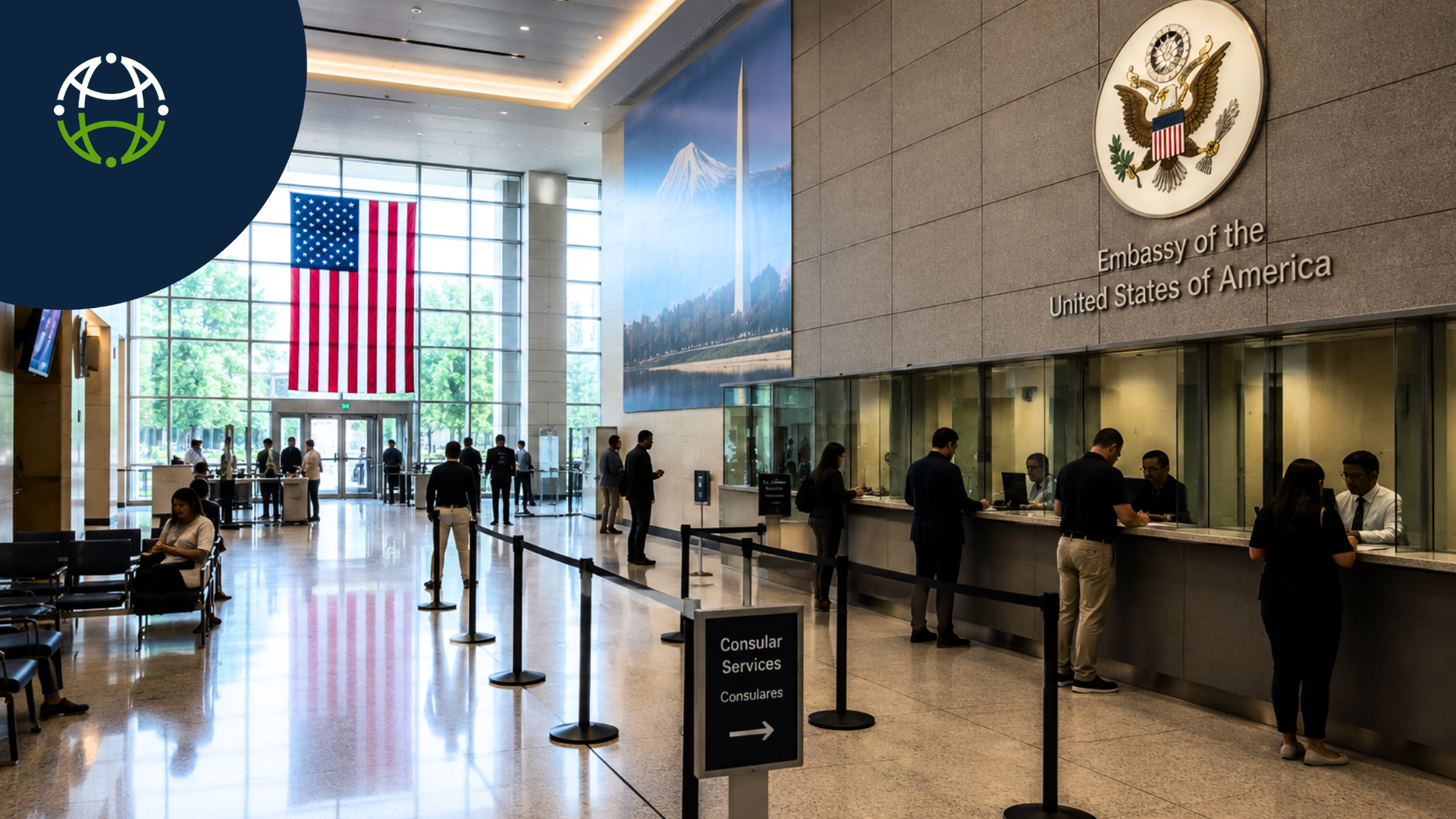
The 75-country immigrant visa pause has been lifted following a federal court ruling. See what this means for healthcare employers.

WorldWide HealthStaff Solutions (WWHS) highlights how international nurse recruitment can help health systems build sustainable nursing pipelines.

Understanding priority dates, retrogression, and Visa Bulletin trends can help put monthly changes into perspective. Get the key takeaways from our webinar.

Global healthcare talent is becoming an increasingly important solution for healthcare workforce gaps across the U.S.
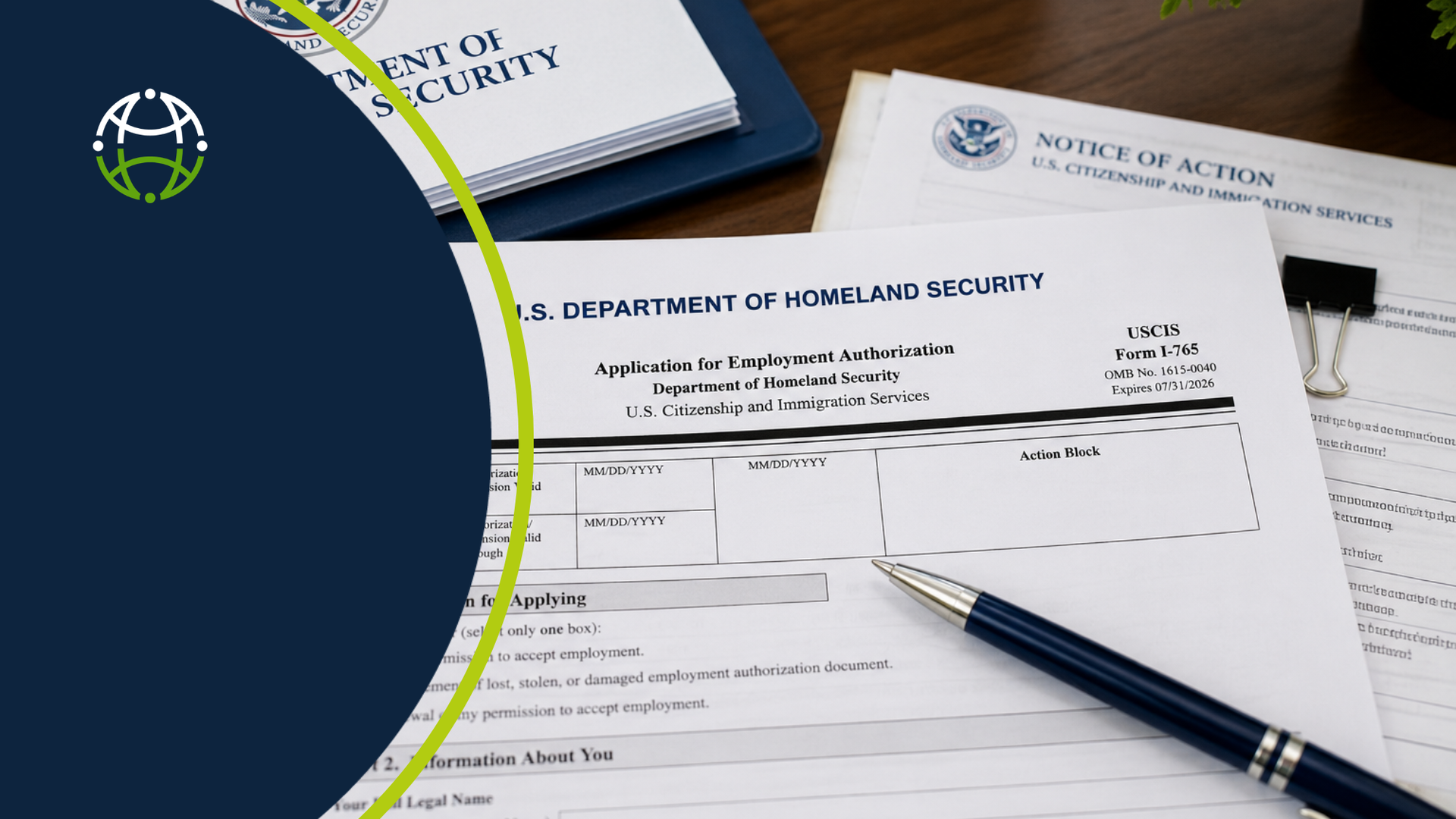
The DHS Final Public Charge Rule may pave the way for visa processing to resume. See what this update means for healthcare organizations recruiting internationally.

Two Midwest health systems strengthened their Med Surg workforce through long-term international nurse recruitment. This case study compares two pipeline strategies at different stages of maturity.
What began as a long-term recruitment strategy has evolved into a robust pipeline supporting four hospitals, with more than 500 nurses placed and another 500+ active in the pipeline.