



USCIS Pauses Immigration Processing and Extends Visa Processing Restrictions: What Employers Need to Know
January 16, 2026
USCIS Pauses Immigration Processing and Extends Visa Processing Restrictions: What Employers Need to Know
On Dec. 19, 2025, U.S. Citizenship and Immigration Services (USCIS) announced an immediate temporary pause on the processing of immigration applications for individuals from 19 designated countries. Since then, the U.S. government has further extended and expanded travel restrictions affecting both immigrant and non-immigrant visa issuance. These developments may impact healthcare employers recruiting international clinicians.
Key Updates from USCIS and the U.S. Government
Countries Affected
The updated policies now include:
- Full Travel Ban (Immigrant and Non-Immigrant Visas): Previously restricted countries: Afghanistan, Myanmar (Burma), Chad, Republic of the Congo, Equatorial Guinea, Eritrea, Haiti, Iran, Libya, Somalia, Sudan, Yemen
- Newly added countries (Dec. 2025 extension): Burkina Faso, Laos, Mali, Niger, Sierra Leone, South Sudan, Syria, and individuals using travel documents issued or endorsed by the Palestinian Authority
- Partial Travel Ban (Immigrant and Non-Immigrant Visas): Previously restricted countries: Burundi, Cuba, Laos, Sierra Leone, Togo, Turkmenistan, Venezuela
- Newly added countries (Dec. 2025 extension): Angola, Antigua and Barbuda, Benin, Côte d’Ivoire, Dominica, Gabon, The Gambia, Malawi, Mauritania, Nigeria, Senegal, Tanzania, Tonga, Zambia, Zimbabwe
What the Pause and Travel Ban Means
- Applications and Approvals: Final adjudications for green cards, naturalization, asylum, and other immigration benefits may be delayed. Some previously approved applications could be re-reviewed or require re-interviews.
- Visa Issuance: For nationals of countries under the full travel ban, petitions can continue to move forward, but a visa cannot be issued until restrictions are lifted or modified.
- Active Cases: A candidate’s petition or case is not canceled or denied—the pause is procedural, pending updated guidance and periodic review (every 180 days).
- Who Is Not Affected: Individuals already in the U.S. before Jan. 1, 2026, valid visa holders, lawful permanent residents, dual nationals traveling on a passport from a non-listed country, certain special immigrant visa categories, and immigrant visas for persecuted minorities in Iran.
What This Means for Healthcare Employers
If Your Candidates Are From Impacted Countries:
- Expect delays in visa issuance and final approvals.
- Previously completed steps (interviews, approvals) may be subject to re-review.
- Workforce planning may need adjustments to accommodate longer timelines.
If Your Candidates Are From Any Other Country
- No changes have been announced; standard processing continues.
What Employers Can Do Now
- Continue standard onboarding and workforce planning for candidates not affected by the pause.
- Anticipate possible delays for candidates from the impacted countries and review staffing contingencies where needed.
- Stay connected to WWHS for real-time updates as additional federal guidance is released.
- Avoid making final workforce decisions based solely on anticipated immigration timelines for impacted candidates until USCIS clarifies next steps.
Our Commitment to Supporting Clients
WorldWide HealthStaff Solutions (WWHS) will continue monitoring all official updates from DHS and USCIS and will share new information as soon as it is confirmed. Our priority is to help healthcare employers understand policy changes that may impact their workforce planning and to provide accurate, timely information based on publicly available sources.
For questions about how this immigration pause may affect your current or future staffing pipeline, please contact us directly: https://client.healthstaff.org/contact-us
Featured Blogs

Inside WWHS's international nurse recruitment events: how they work and what health systems can realistically expect.
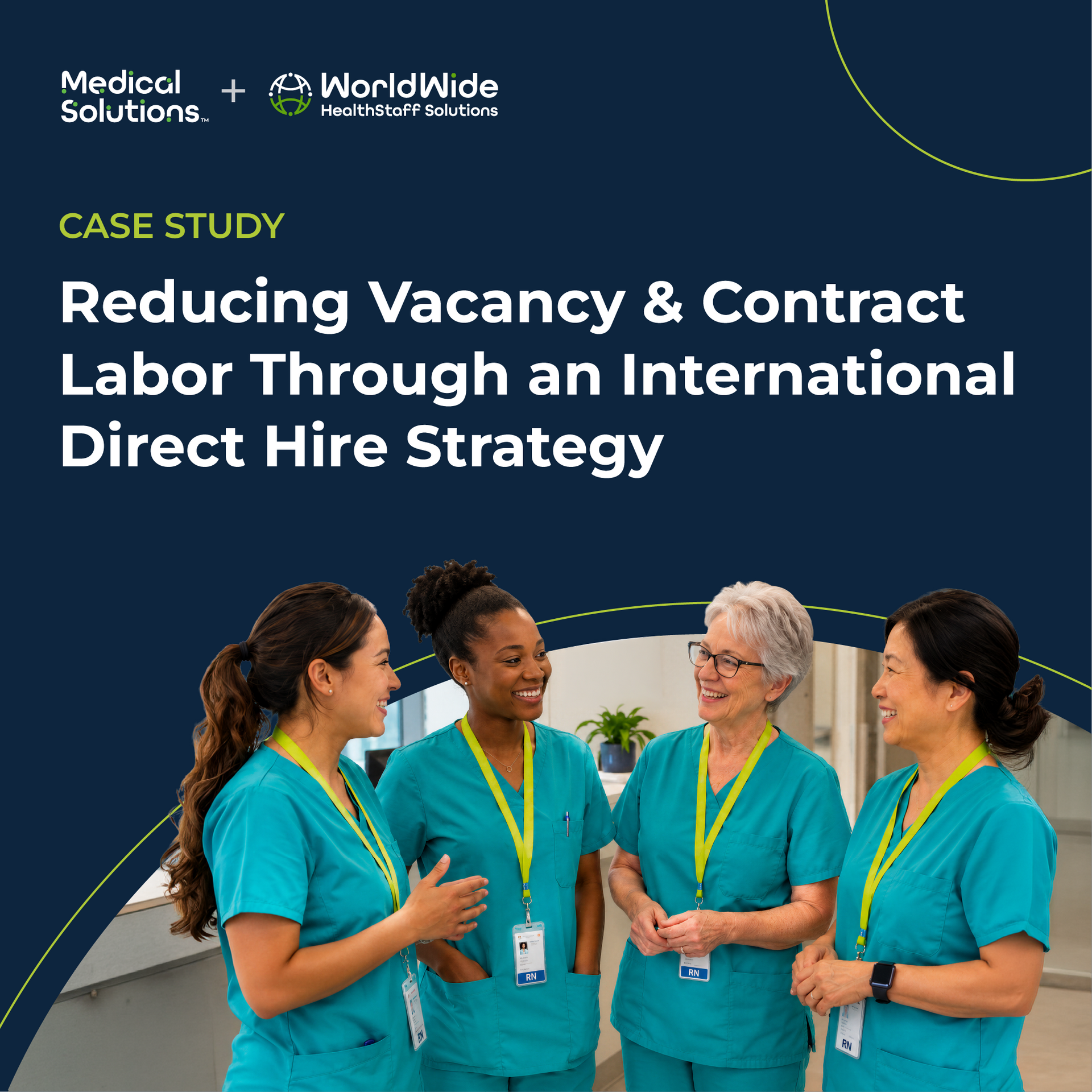
A regional nonprofit health system was working toward three clear workforce goals: improve clinician retention, reduce contract labor spend, and lower vacancy.
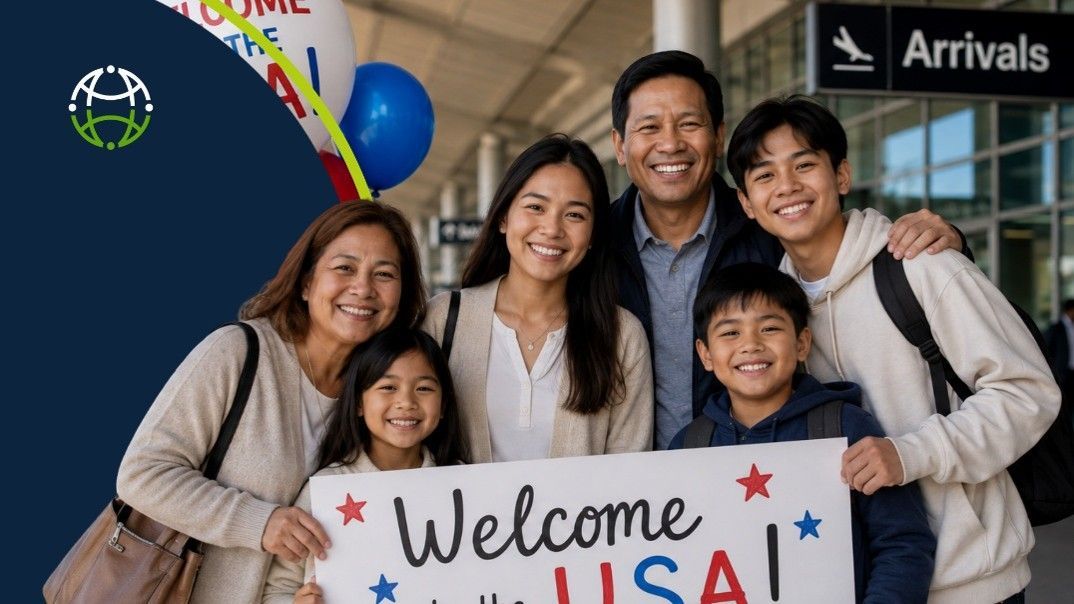
Three international clinicians reflect on their journeys to the U.S. and the careers, milestones, and new opportunities that have followed.
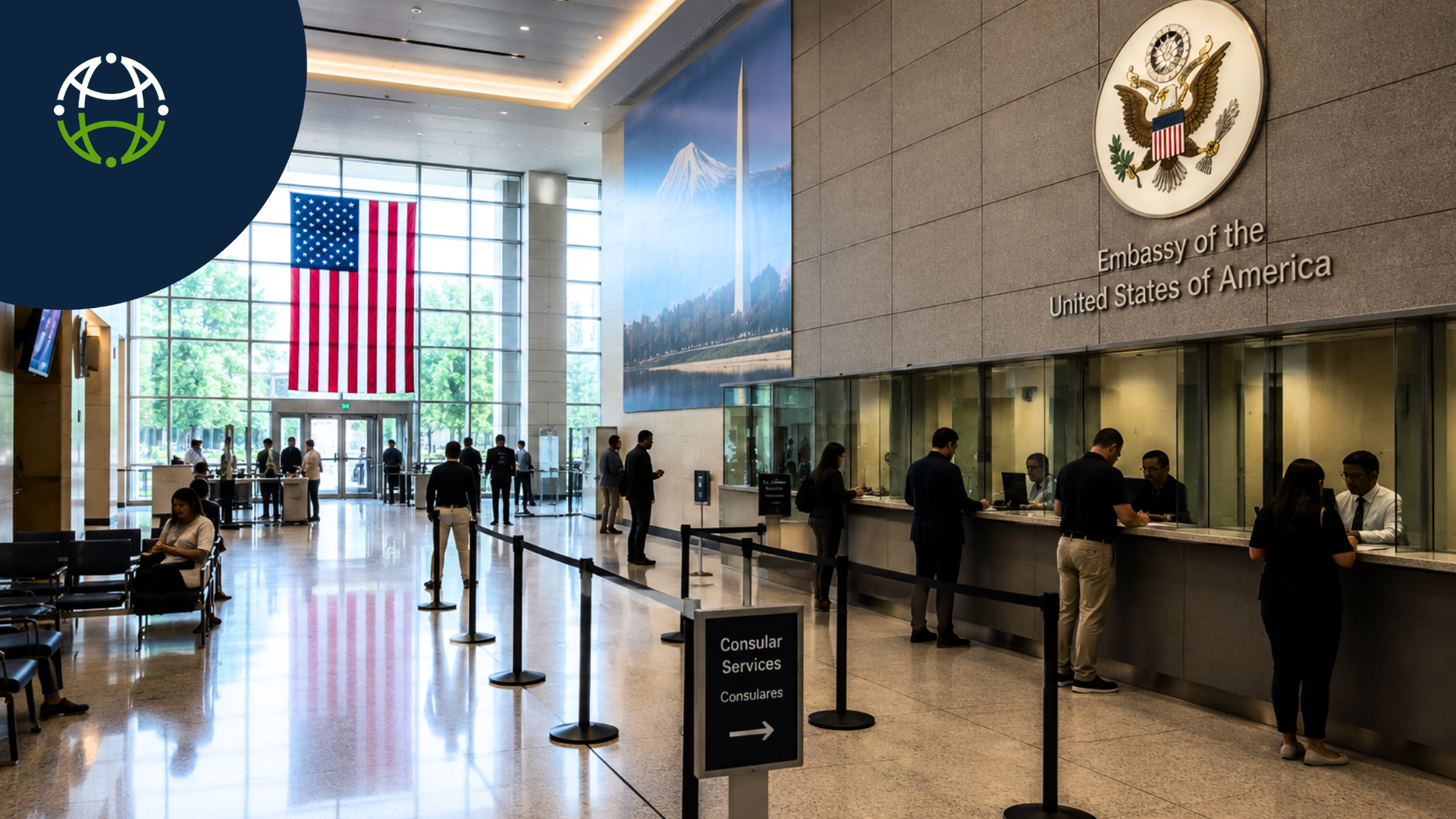
The 75-country immigrant visa pause has been lifted following a federal court ruling. See what this means for healthcare employers.

WorldWide HealthStaff Solutions (WWHS) highlights how international nurse recruitment can help health systems build sustainable nursing pipelines.

Understanding priority dates, retrogression, and Visa Bulletin trends can help put monthly changes into perspective. Get the key takeaways from our webinar.

Global healthcare talent is becoming an increasingly important solution for healthcare workforce gaps across the U.S.
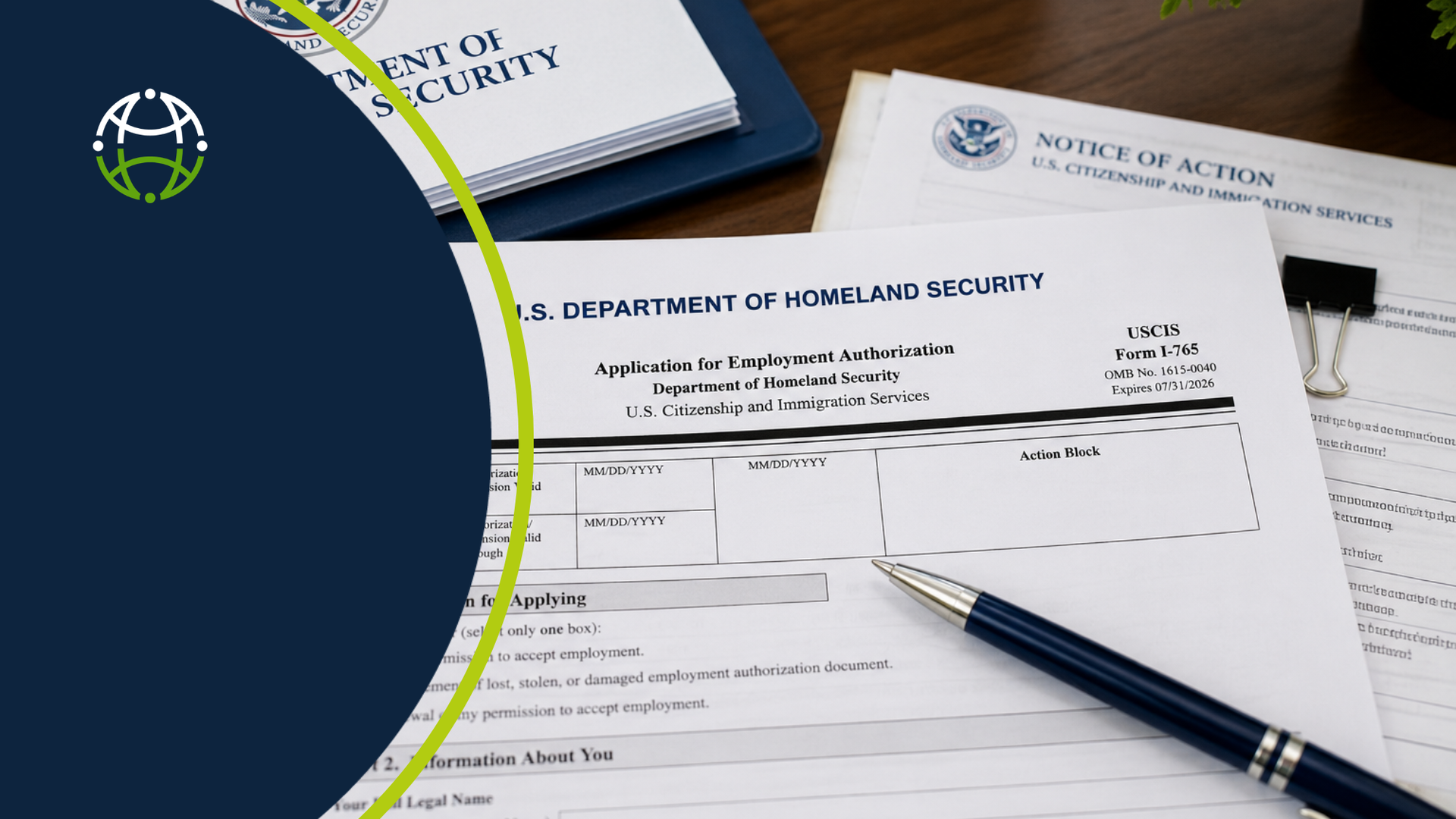
The DHS Final Public Charge Rule may pave the way for visa processing to resume. See what this update means for healthcare organizations recruiting internationally.

Two Midwest health systems strengthened their Med Surg workforce through long-term international nurse recruitment. This case study compares two pipeline strategies at different stages of maturity.
What began as a long-term recruitment strategy has evolved into a robust pipeline supporting four hospitals, with more than 500 nurses placed and another 500+ active in the pipeline.